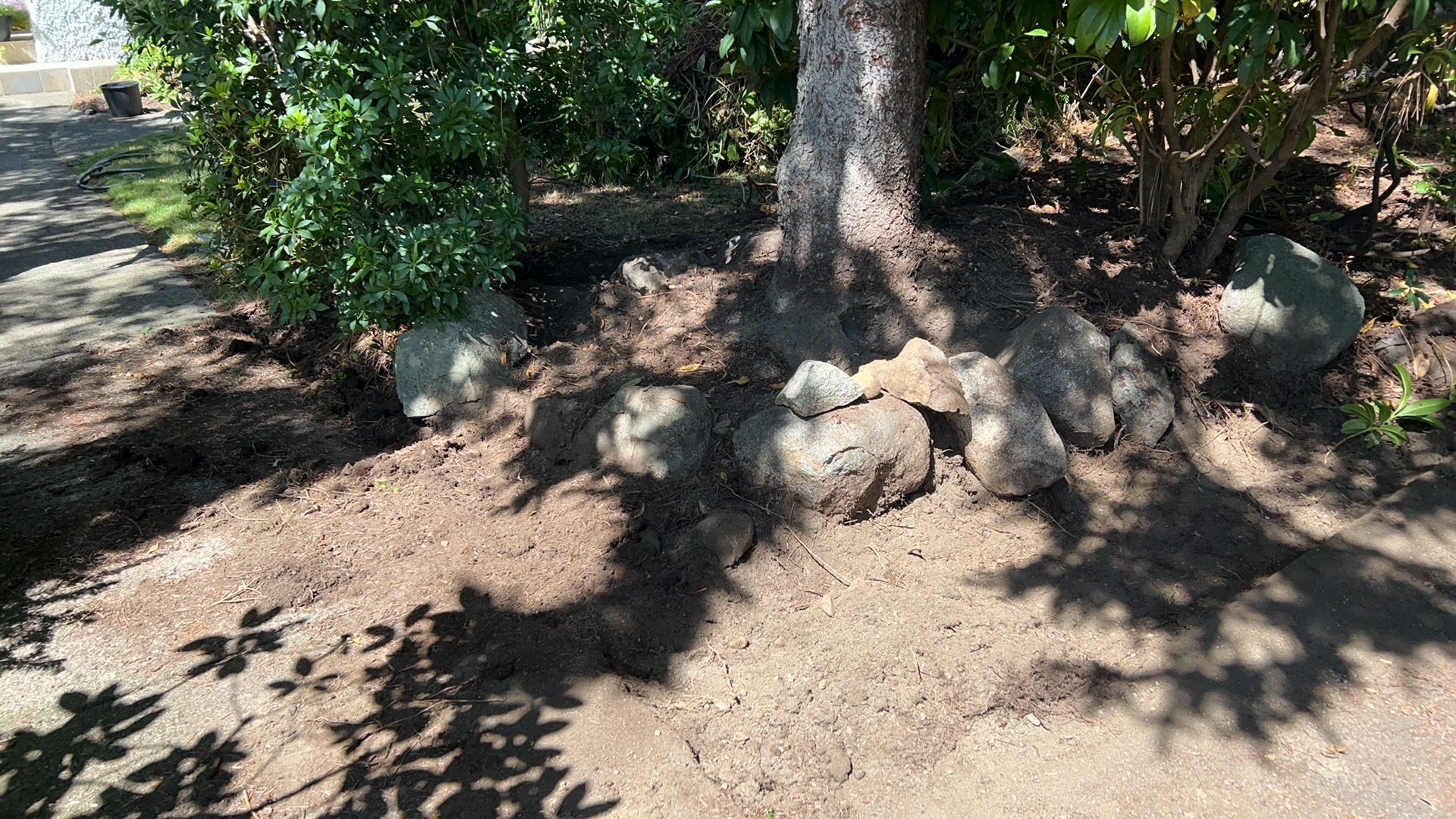
Having a lush, green lawn is a goal for many homeowners. The foundation of a beautiful lawn lies in the soil beneath your feet. Understanding your lawn’s soil is the very first and most important step in achieving that vibrant green carpet. So, what truly is the best lawn soil? While there’s no single magic formula, the best lawn soil is one that provides your grass with the essential nutrients and a healthy environment to grow strong.
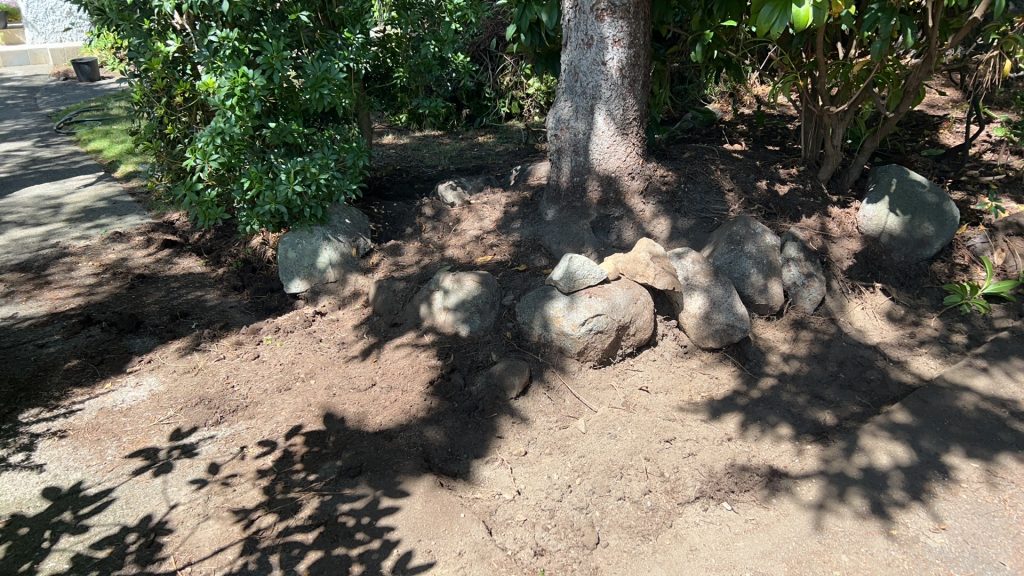
Why Your Soil Matters More Than You Think
Think of your lawn’s soil as its lifeline. Without a healthy soil foundation, your grass will struggle, no matter how much you water or mow. The truth is, without testing your soil, you’re essentially guessing what it needs. You could be wasting money by adding too much of one fertilizer and not enough of another crucial element. By taking the time to test your soil, you can understand exactly what’s going on beneath the surface and tailor your lawn care to its specific needs. This targeted approach is the key to a truly thriving lawn.
Unlock the Secrets with a Soil Test
Taking a soil test might sound complicated, but it’s a straightforward process that yields invaluable information. Here’s a simple overview based on expert advice:
- Gather samples from different spots: Don’t just take soil from one area. Aim for 10 to 15 small samples from various locations across your lawn to get a representative picture of your soil’s overall health.
- Use the right tool: You can use a specialized soil coring tool or even a simple garden spade to carefully collect your samples.
- Remove the top layer: Be sure to remove any visible thatch or grass from the surface before collecting your soil sample. You want to test the soil itself.
- Mix it all together: Once you have your samples, combine them in a clean container to create a uniform mixture. This ensures your test reflects the average condition of your lawn.
- Send it to a lab: Most soil test kits come with instructions on how much soil to send to a laboratory for professional analysis.
The results of your soil test will reveal the levels of essential nutrients in your soil, such as nitrogen, phosphorus, and potassium, as well as its pH level. This information will guide you on what, if any, amendments are needed.
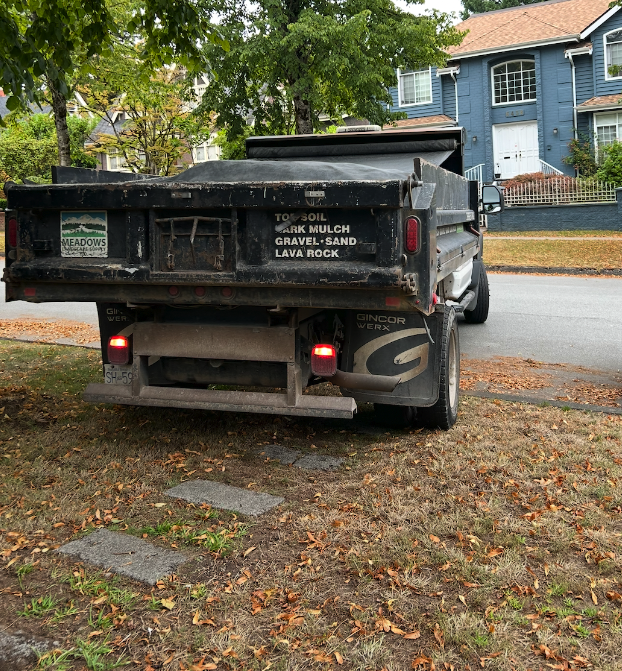
Boosting Poor Soil for a Greener Lawn
What if your soil test reveals that your lawn’s foundation needs some work? Don’t worry, there are effective ways to improve poor soil:
- Consider a Raised Garden Bed: If your existing soil is very poor, building a raised bed and filling it with high-quality soil and compost can provide an immediate improvement in drainage and nutrients.
- Enrich Directly in the Ground: For a more integrated approach, you can dig holes where you plan to plant or where your lawn is struggling and fill them with compost or manure. For a longer-term boost, you can even layer kitchen waste, dead leaves, and weeds at the bottom before adding compost. This creates a natural composting system right in your lawn, slowly releasing nutrients over time. This is best done before the main growing season to allow time for decomposition.
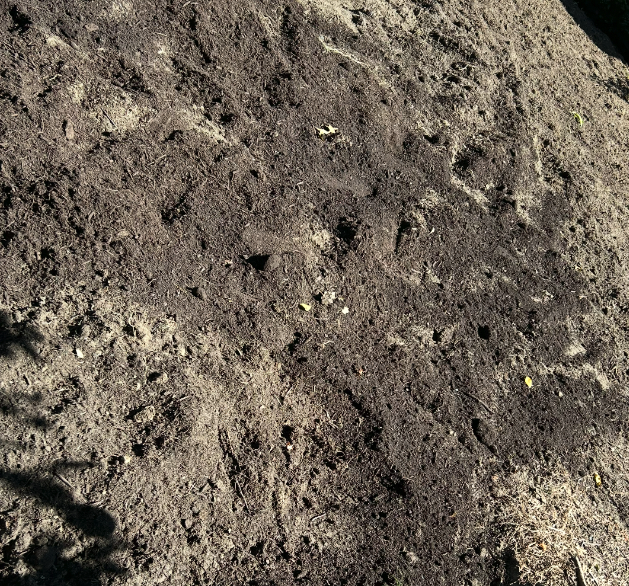
The Scoop on Bagged Soils
When starting a new lawn or adding a top layer to an existing one, you might consider using bagged soils. While convenient, not all bagged soils are created equal. Research has shown that nitrogen levels can vary significantly between different brands. Soils with higher nitrogen content tend to support more vigorous growth. However, even high-quality bagged soils might be low in certain other important nutrients, like magnesium and micronutrients. This reinforces the importance of soil testing, even if you’re using bagged products.
The Final Word: Know Your Soil for Lawn Success
In the end, the “best” lawn soil isn’t a product you buy; it’s a healthy, balanced soil ecosystem that meets the specific needs of your grass type. The most effective path to achieving this is to start with a soil test. Understand what your lawn truly needs, and then take targeted action to improve its health, whether through organic matter, soil amendments, or even strategic use of bagged soils. By understanding and caring for your soil, you’re setting the stage for a vibrant, healthy lawn that you can be proud of.
Leave a Reply