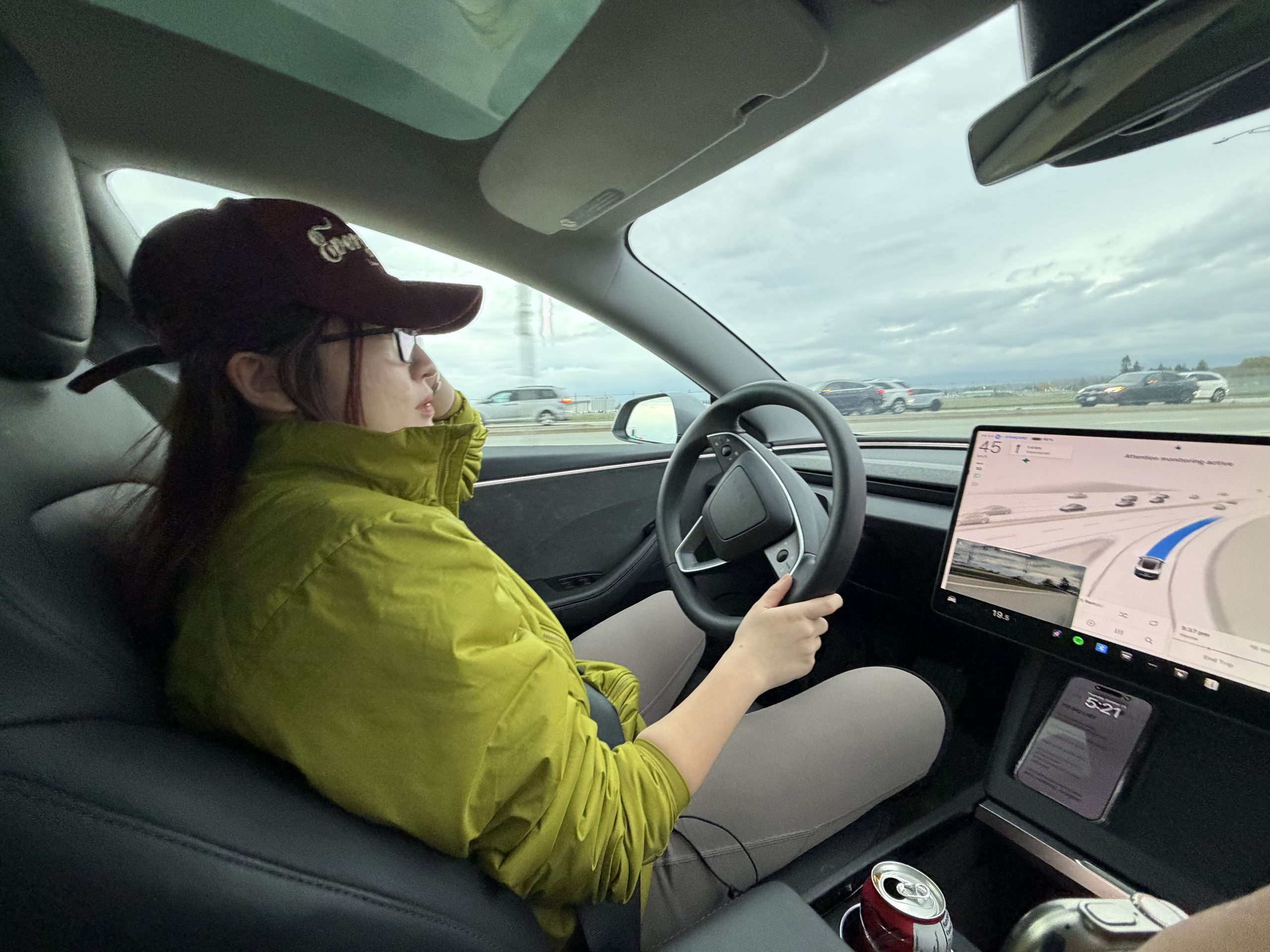
By Yana Song | RankingLab
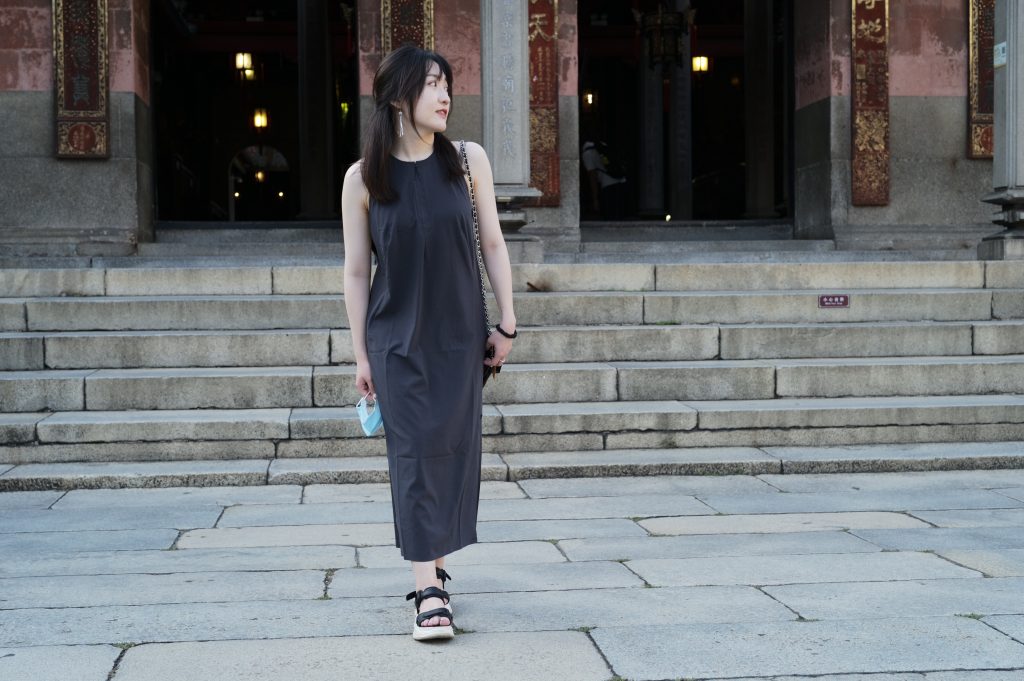
I’m 32 years old.
If you see someone running multiple projects, writing about SEO and GEO, moving between Dali, Bangkok, and Kuala Lumpur — you might assume it all came naturally.
But the most important lesson of my life wasn’t learned in any classroom or company.
It happened the day my family went bankrupt. I was 20.
Age 20: When the Ground Collapsed
My family was in the textile business. We did well. Growing up, I never knew real scarcity. I had everything I wanted.
Then, during my junior year of college, my father sat me down.
He said: The business is finished. From now on, you’re on your own.
I don’t remember crying in that moment. But for a long time after, I cried every day.
For a whole year, I basically vanished from university. Didn’t go to class. Didn’t see anyone. I hid in a corner, waiting — waiting for someone to save me, waiting for a miracle, waiting for it all to not be real.
But the world doesn’t stop just because you’re crying.
About six months later, I started climbing out. Not because I had some epiphany, but because I was exhausted. Burning through emotions takes energy too. I started exercising — running in the mornings. I started watching myself again: What do I still have?
I didn’t have answers then. But I learned one thing: Pulling yourself out of the mud is the only thing you must do. And only you can do it.
First Money: Three Chaotic Years in Livestreaming, Gaming, and Social Media
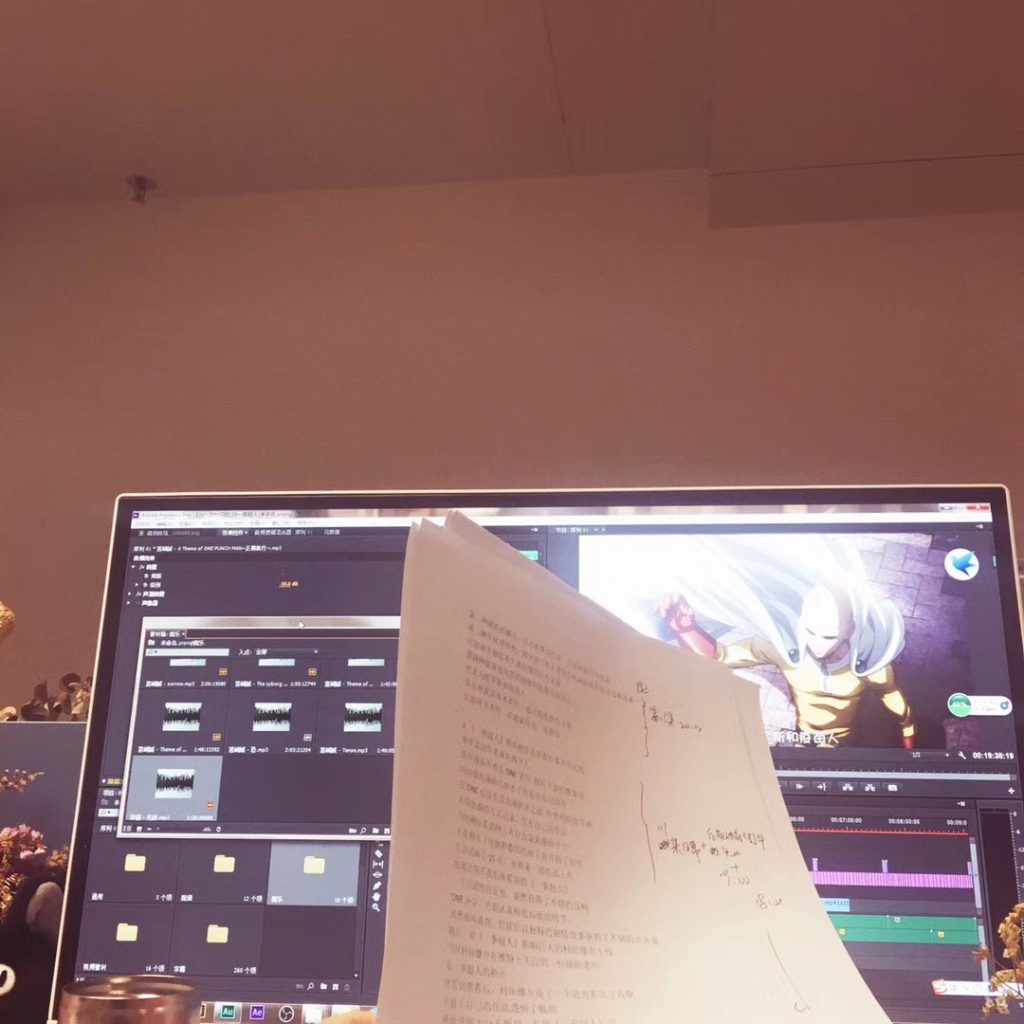
In my senior year, I started livestreaming.
This was before livestreaming was everywhere. I just chatted, sang songs, and earned over $500 a night. At the time, I thought: making money isn’t that hard.
That idea got corrected many times later. But it gave me the confidence to take the first step.
Because I had a nice voice, knew how to host, and had streaming experience, a relative recommended me to a gaming company. They needed someone with market instincts. That’s how I ended up in game operations.
A year later, I took over the company’s social media. With the team, we grew the account to 200,000 followers in one year. At first I only did voiceovers. Eventually I handled everything — planning, copywriting, editing, hosting. That was the first time I realized: one person really can run an entire content chain.
Then the project got cut. Investors changed direction, and our team dissolved.
My manager asked if I wanted to transfer to marketing. I hesitated for a long time.
After three years in gaming and social media, I suddenly felt — I had completely lost touch with the physical world. Like real life was behind glass, and I was just pressing my face against it.
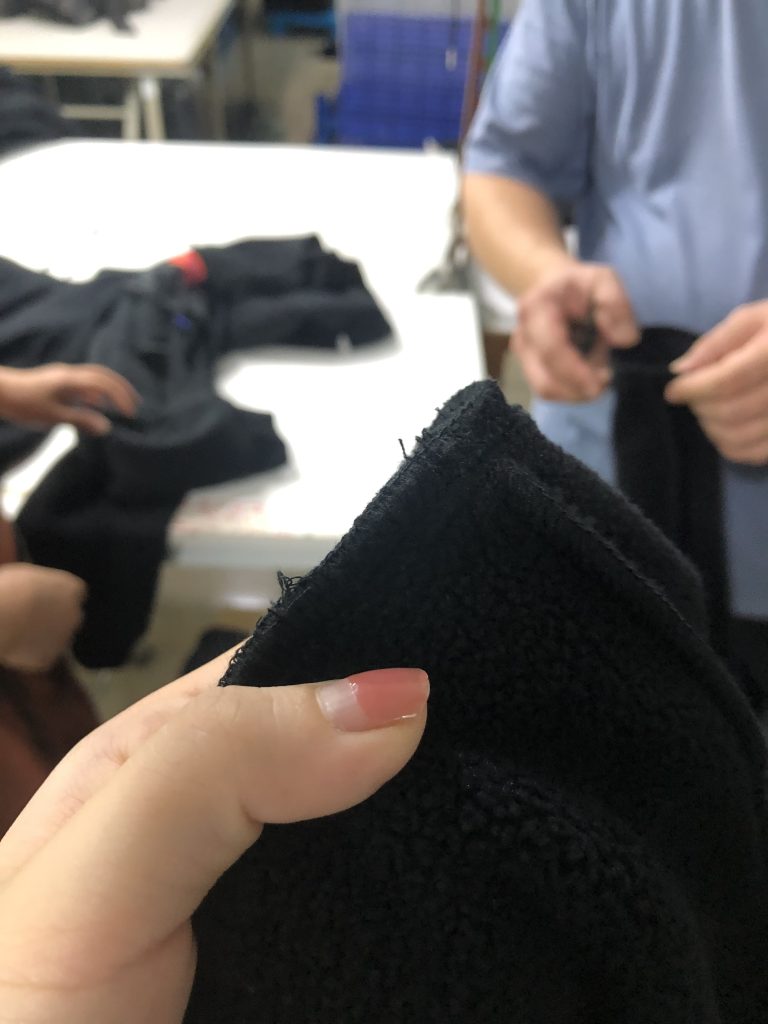
That vague sense of wrongness made me do something most people didn’t understand: I joined a garment supply chain company.
Supply Chain: Broken by Reality, Then Rebuilt
I walked in with everything I’d learned from the internet world: minimum viable products, growth hacking, 15-minute meetings, collaborative workflows…
None of it worked here.
Garment manufacturing is an incredibly fragmented industry. Labor-intensive, barely standardized, older workforce, relationships over results. My “internet methodology” just confused my colleagues. They thought I was impractical. That I was adding burden.
That experience shattered my arrogance.
But after it broke me, I made a decision: If I want to change anything, I must first truly understand how it currently works.
So I started from scratch. The materials of buttons. The details of product inspection. Factory outsourcing management. Procurement planning — I learned it all, one thing at a time. I managed a design team. I studied markets, broke down trends, worked hands-on from fabric to finished styles. I did sales. I handled finance and company strategy. I chased overdue payments through legal. I ran through the entire supply chain, end to end.
And a large part of that time was during the pandemic.
You had to be responsible for your team. Contracts couldn’t default. Orders couldn’t stop. And meanwhile — your mind was quietly collapsing.
Eventually, I was diagnosed with moderate depression.
I decided to go to Vancouver.

Vancouver: Stopping to See the Way Forward
I thought I’d just relax for a bit. I ended up staying a year.
That year, I wasn’t moving fast. I was thinking about one thing: Where do all my experiences and knowledge go next?
Game operations, social media, supply chain, content, marketing — what’s the intersection?
After many long conversations with my friend Kevin, I suddenly saw it clearly: SEO.
Around that time, Trump was talking about bringing manufacturing back to America. I searched around and found that English-language content about garment supply chains was almost nonexistent.
I made a decision on the spot: start Topology Clothing, a content project focused on apparel supply chain knowledge in English.
Honestly, I wasn’t sure it would work. But the results exceeded my expectations — after a year, the SEO performance was excellent. Steady inquiries started coming in.
For the first time, I felt like I’d finally found my direction.
Not because I had extraordinary skills, but because all those scattered experiences — supply chain operations, content creation instincts, the underlying logic of traffic thinking — came together here.

Year Two of SEO: Client Projects and Finding My “Gift Zone”
Topology’s success gave me the confidence to take on other projects.
In my second year, I started helping friends and clients with SEO and content operations. I discovered that I had some things others couldn’t easily replicate:
- The ability to find problems in tiny details — trained by supply chain work
- Traffic thinking — accumulated from gaming and social media
- Constant iteration mindset — survival instinct from startup life
SEO is work that requires both “technical logic” and “human insight.” You need to understand algorithms, but also people. I found that I was naturally good at this.
Gradually, this stopped being a source of anxiety. It became a source of confidence.
After AI Arrived: Efficiency Changed, but the Core Didn’t
When AI tools became widespread, my work efficiency jumped dramatically.
At the same time, I started building my own content presence: Xiaohongshu in Chinese, where I gathered a following and built a community of 200+ people. I wrote an SEO book — priced at ¥799 in China, $99 in the US. In English, I started sharing my perspectives on RankingLab and Twitter.
But one thing became increasingly clear: Doing SEO itself is not my ultimate goal.
AI lets everyone make products. But “selling products” has become the biggest pain point. In this era, traffic thinking is scarcer than product thinking.
I started putting more energy into my own projects, rather than taking client work.
Projects I’m currently running:
- Topology Clothing: Apparel supply chain content site. Steady inquiries, just needs regular maintenance
- Aurawell: Healing fragrance brand. I handle overseas content and social media strategy
- Starke Sound: Premium audio brand. SEO system built, brand is now taking off
- Snake Brand: An 80-year-old Thai heritage brand — I’m helping them build their North American brand presence
- AuraPalm: AI palm reading app. Already getting organic traffic before official launch — next step is systematic optimization
- RankingLab: My English blog for SEO/GEO thinking
- Plus several new products in the traffic-testing phase
Beyond my own projects, I’ve also consulted on dozens of others. From pets to SaaS, artificial flowers to gaming, travel to home appliances — the range surprised even me. But it’s through these consultations that I’ve discovered many fascinating niche markets. Corners you wouldn’t normally notice, where people are quietly building something real.
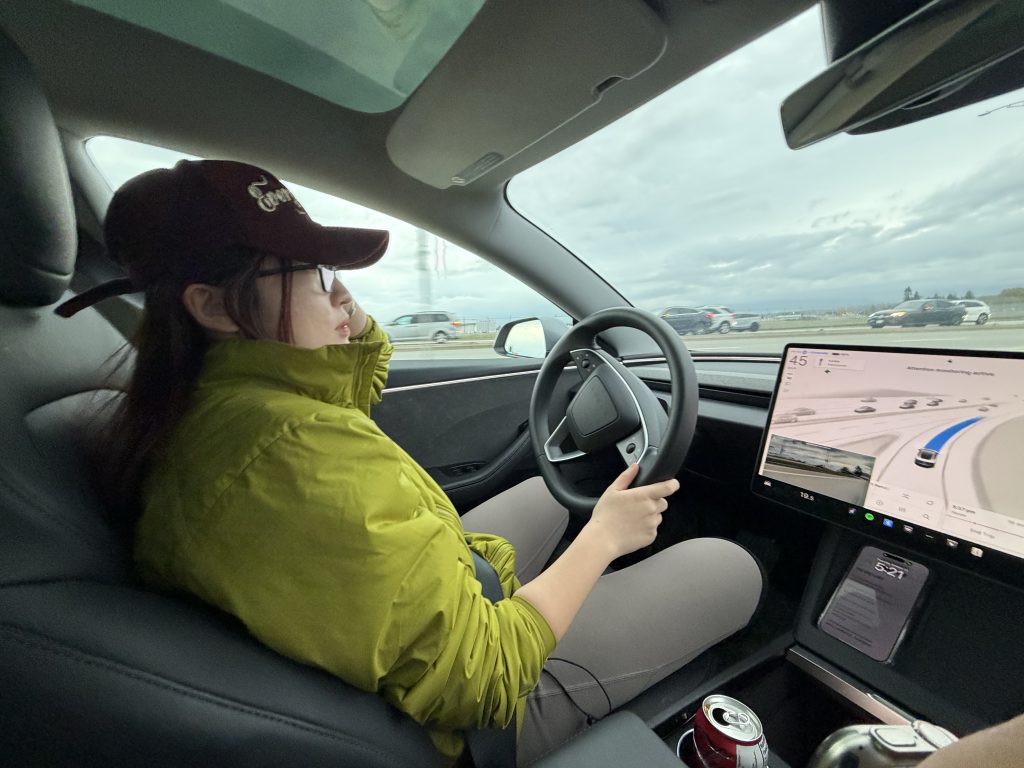
Digital Nomad: Information Gaps Are Opportunity Gaps
Over the past three years, I’ve lived in many places.
Dali for a month, Bangkok for three months, Guangzhou for two months, Kuala Lumpur for a month, Shanghai for two months, plus Seattle, Vancouver, and Silicon Valley.
Every time I moved, I asked myself the same thing: What do people here need? What information gaps exist here?
Information gaps aren’t mysterious. They’re just: what you know, that no one here has explained clearly yet. That blank space is often the entry point for a project.
After three years of remote work, I’m no longer as anxious as I was three years ago.
What I think about now is: Your anxiety often isn’t because you lack ability. It’s because you’re trapped in a value system that doesn’t fit you. If that system conflicts with your personality, the harder you try, the more exhausted you’ll become.
Choose a value system that fits you, then pick your location based on your project’s stage — that’s my survival logic now.
The Underlying Logic of Traffic Thinking
If I had to distill my ten years of experience into one sentence, it would be:
Products can iterate. But traffic thinking is the harder moat to replicate.
Before running any project, I ask myself a few questions:
1. With the smallest effort, how much leverage can this product create?
Take Aurawell’s healing fragrances as an example. I chose Palo Santo as the core MVP. The reasons were specific: high market markup, low shipping costs, high keyword traffic but suppliers are all scattered merchants with no brand. SEO and GEO difficulty are both low. Entry barriers are low.
Get this one product right first, let its profits support the iteration of the whole brand — and yes, it’s now the best seller.
2. Is information in this market severely undervalued or ignored?
Topology was born from exactly that judgment.
3. Can I consistently output perspectives in this space?
SEO isn’t a one-time technical job. It’s long-term content trust building. You have to be willing to keep talking.
The Next Chapter Starts Now
From 20 to 30, I spent a decade pulling myself out of collapse, making mistakes, and finally finding direction.
After 30, things are different.
I’m starting YouTube and Twitter, slowly building my own newsletter subscriber list, creating a paid community. Recording my project journeys completely, sharing them with others on the same road.
This isn’t success gospel. It’s not a tutorial.
It’s someone who’s doing the work, saying what they see.
If you’re also figuring out traffic, SEO, indie products — or just wondering “what should I actually do” — follow along.
Let’s witness it together.
Yana Song
RankingLab | rankinglab.io
Twitter @yanasongvv | Xiaohongshu: 温哥华楠仔
Leave a Reply