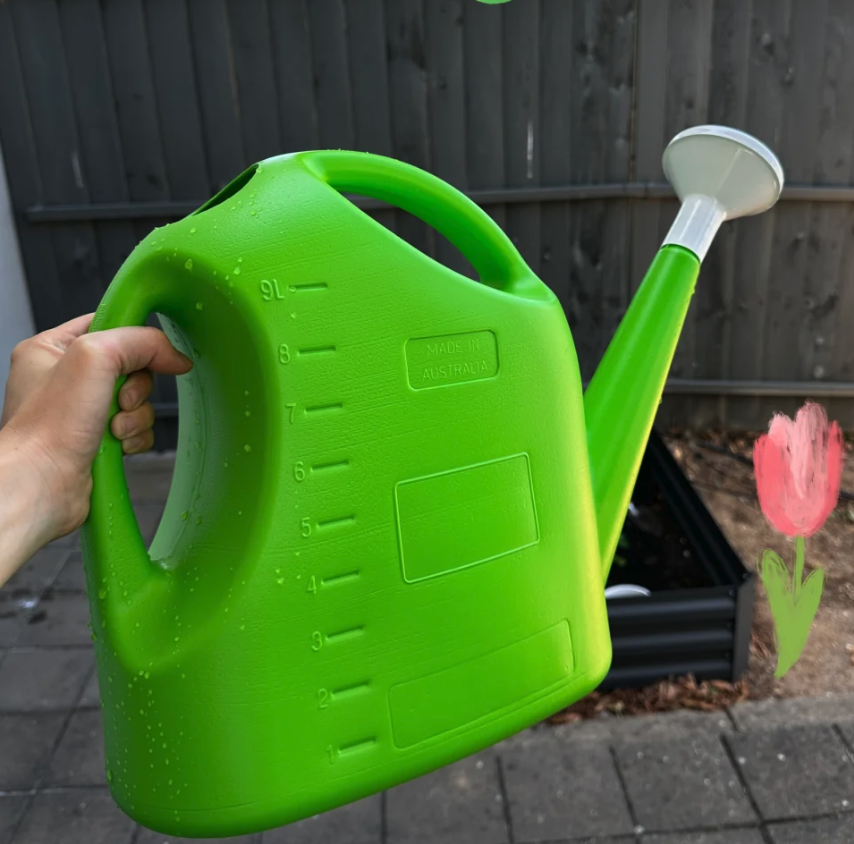
Blog

  • Watering Can: The Tool That Shapes Your Garden

    Watering Can: The Tool That Shapes Your Garden

    Whether you’re new to gardening or have experience, the watering can is probably your most frequently used tool. But how often do we think about how it’s designed—and why that matters? If you’re looking for one that lasts, feels good to use, and actually helps your plants thrive, start here.

    What Material Is the Watering Can Made Of?

    The material of a watering can affects more than its appearance—it changes the weight, durability, and even the feel in your hands.
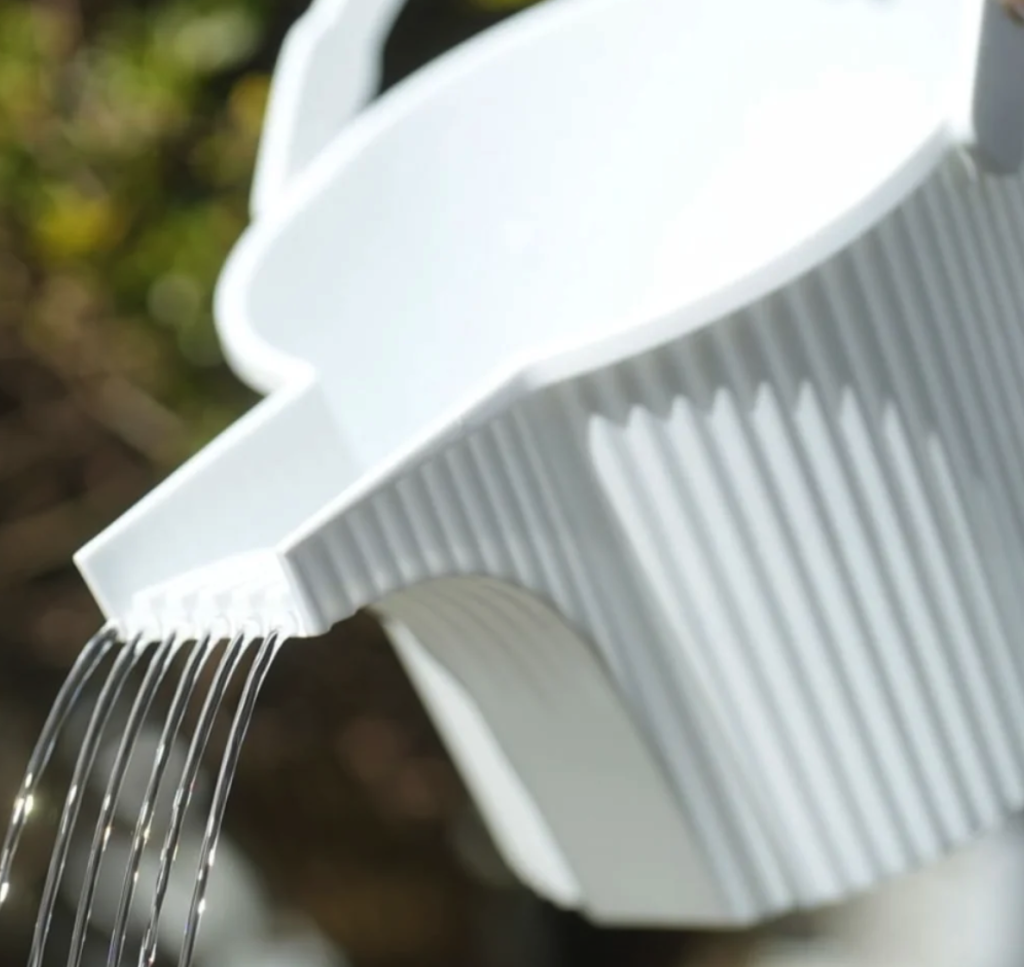
    Plastic is lightweight, affordable, and often comes in a range of sizes. It’s a great everyday option for indoor use or small outdoor patios. The downside? Cheaper plastic can crack under UV exposure or cold weather—something to keep in mind in Vancouver’s climate where the seasons shift quickly.
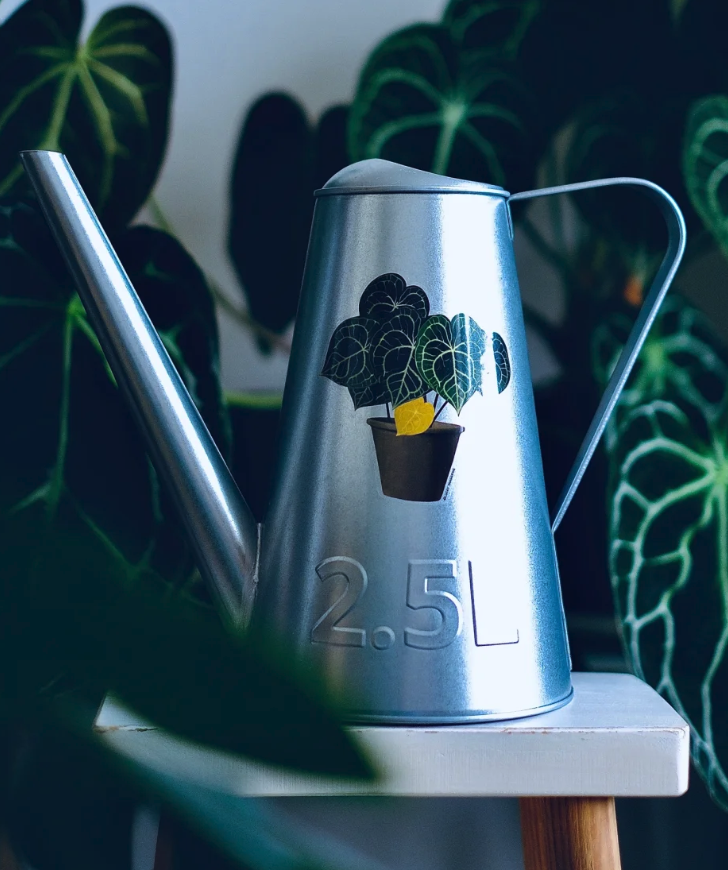
    Metal, especially galvanized steel or stainless steel, is more durable and usually considered more attractive. A well-made metal watering can with a powder-coated or rust-resistant finish can last for years. However, they can get heavy when full and may dent if dropped. For serious gardeners, metal offers that long-term value, especially if you’re watering a large number of plants daily.
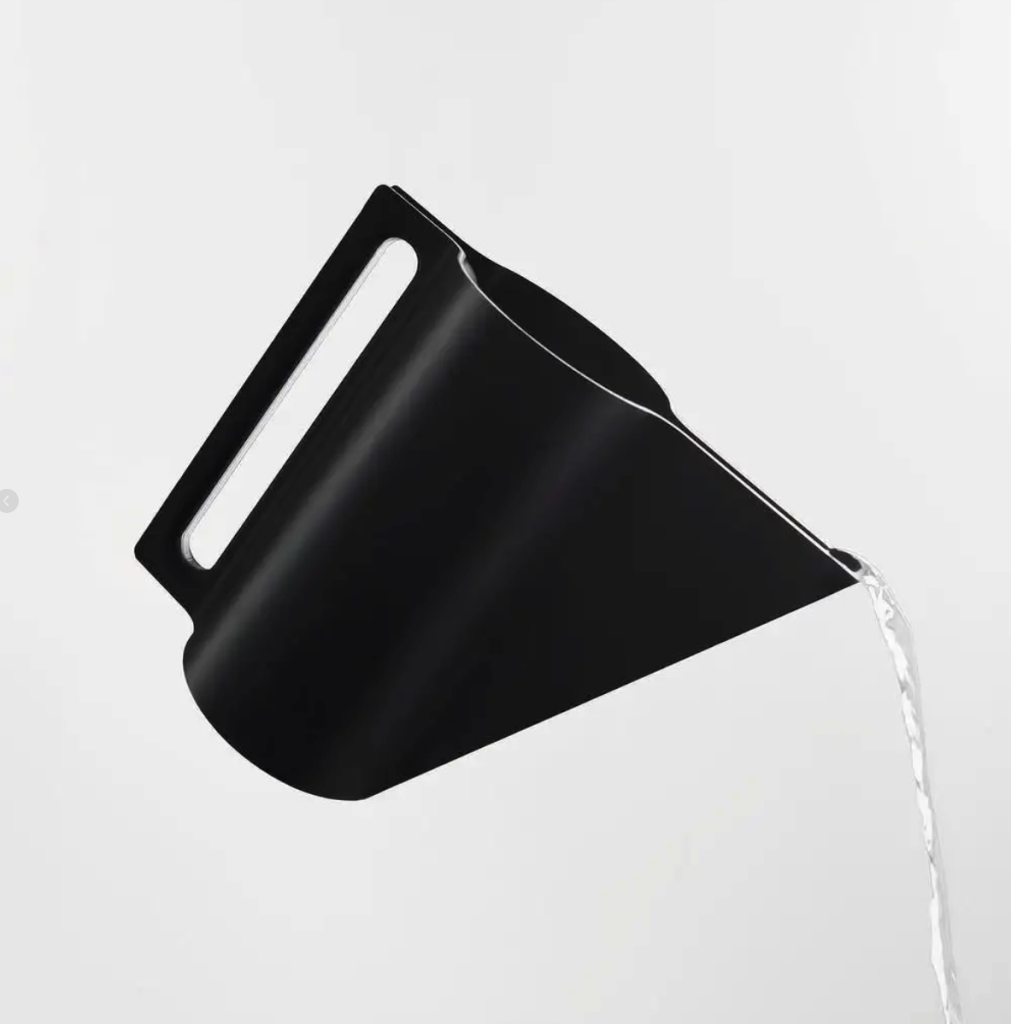
    Ceramic or decorative cans are mostly meant for indoor use and light watering. They’re beautiful—but fragile. Think of them as part tool, part home decor.

    What Is the Capacity of the Watering Can?

    Capacity affects more than just how much water you carry—it also changes how efficient and enjoyable the task becomes.

    A 2-gallon can might seem ideal because it cuts down on trips to the tap. But it’s also heavy. Carrying that much weight repeatedly can cause fatigue, especially if you’re watering hanging baskets, raised beds, or rooftop plants.

    On the other end of the spectrum, a 1-gallon can or smaller is much more manageable and lets you water with precision. This size is ideal for houseplants or balcony gardens where overwatering is a common concern. If you’re nurturing delicate foliage or plants that require different amounts of water, a smaller can helps you stay in control. Here is a simple DIY Watering can that works:
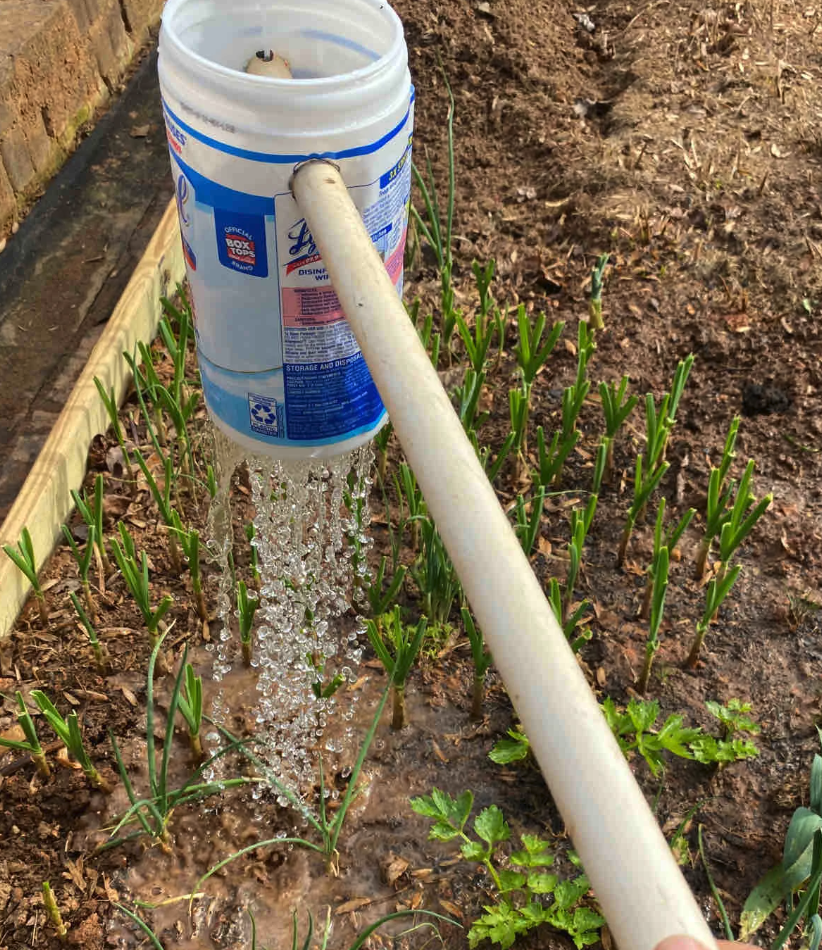
    The best practice? Use a large can for broad outdoor areas and a compact one for houseplants or seedlings. Some gardeners even keep both. Consider the layout of your garden and how often you water—capacity should serve your rhythm, not fight it.

    Does the Watering Can Have a Detachable Spout?
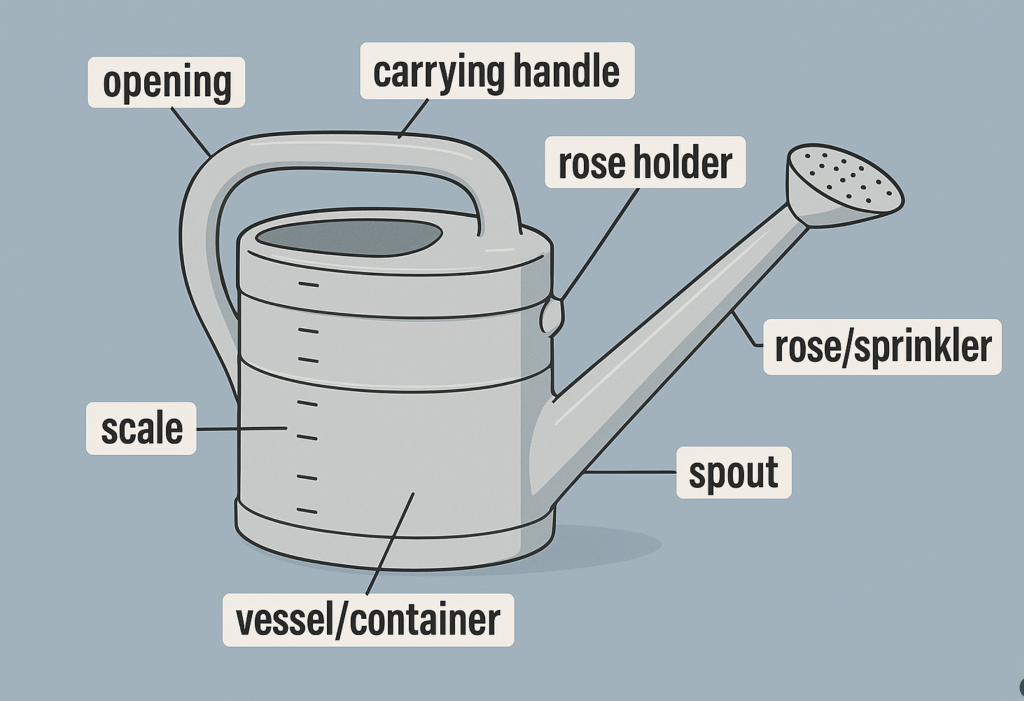
    A detachable spout—also known as a rose attachment—is more than a design flourish. It can turn your watering can into a dual-purpose tool.

    The rose creates a soft shower-like spray, ideal for young seedlings or plants with fragile leaves. It mimics the feel of rainfall, soaking the soil evenly without displacing it. This reduces the chance of root disturbance, something that’s especially important when starting plants from seed.

    When you remove the rose, the water flows directly from the spout in a solid stream. This is helpful when you need to reach deep into pots, deliver water to the base of mature plants, or target root systems more directly.

    This simple switch in function makes a detachable spout a must-have if you grow a variety of plants at different stages of development. It’s one small feature with a big payoff—especially when precision matters.


    In the end, a watering can isn’t just a container. It’s a choice that shapes how you interact with your garden. With the right material, the right size, and the right spout, you’ll spend less time refilling, reduce waste, and water smarter—not harder. For customized gardening advice or help planning a landscaping system that works with your lifestyle, get in touch with Vancouver Landscaping.
  • Breathe New Life into Your Vancouver Lawn-picking the Right Dethatcher

    Breathe New Life into Your Vancouver Lawn-picking the Right Dethatcher

    How to Choose the Right Dethatcher (Best Practices Article Coming Soon.)

    If your lawn looks unhealthy, you can find various problems like thatch buildup that contains dead grass, moss, and grass clippings- It is time to get a dethatcher. Because these problems can make your lawn very unhealthy.

    A lawn Thatcher is an advanced gardening tool that has more functionality than traditional lawn maintenance equipment that are used for various lawn care tasks. As of now Thatcher can perform most maintenance work, for example a quality Thatcher can effectively remove dead plant material, with the help of varied techniques you can accomplish various tasks like creating pathways for water, air, and nutrients to penetrate the soil.


    Let’s understand about different types of thatchers: manual and electric, their benefits and problems, and also good practices for detaching your Vancouver lawn.

    What Is a Lawn Dethatcher?

    Lawn Thatcher that is also called scarifier and Thatcher is a tool that has more efficiency than normal tools that are used for lawn care. A Thatcher can do most of the work for example cutting through thatch layer and pulling dead materials to surface, with the help of diverse techniques you can do various tasks like lawn aeration and moss removal. These tools makes your overseeding extremely easy by giving good seed-to-soil contact.

    Electric Lawn Dethatchers: Convenience Meets Performance

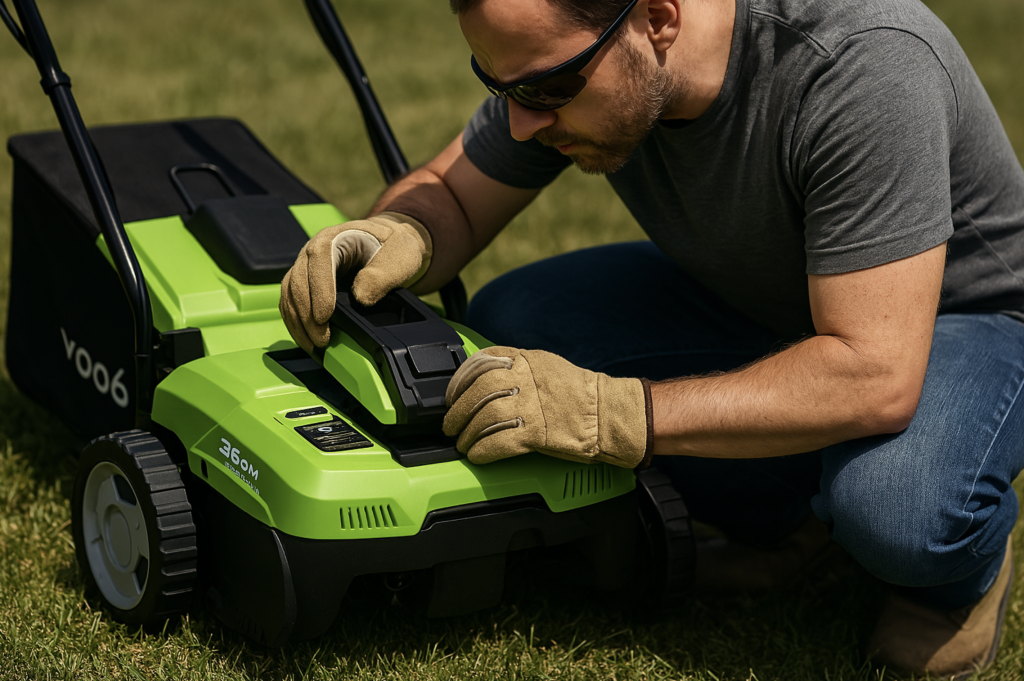
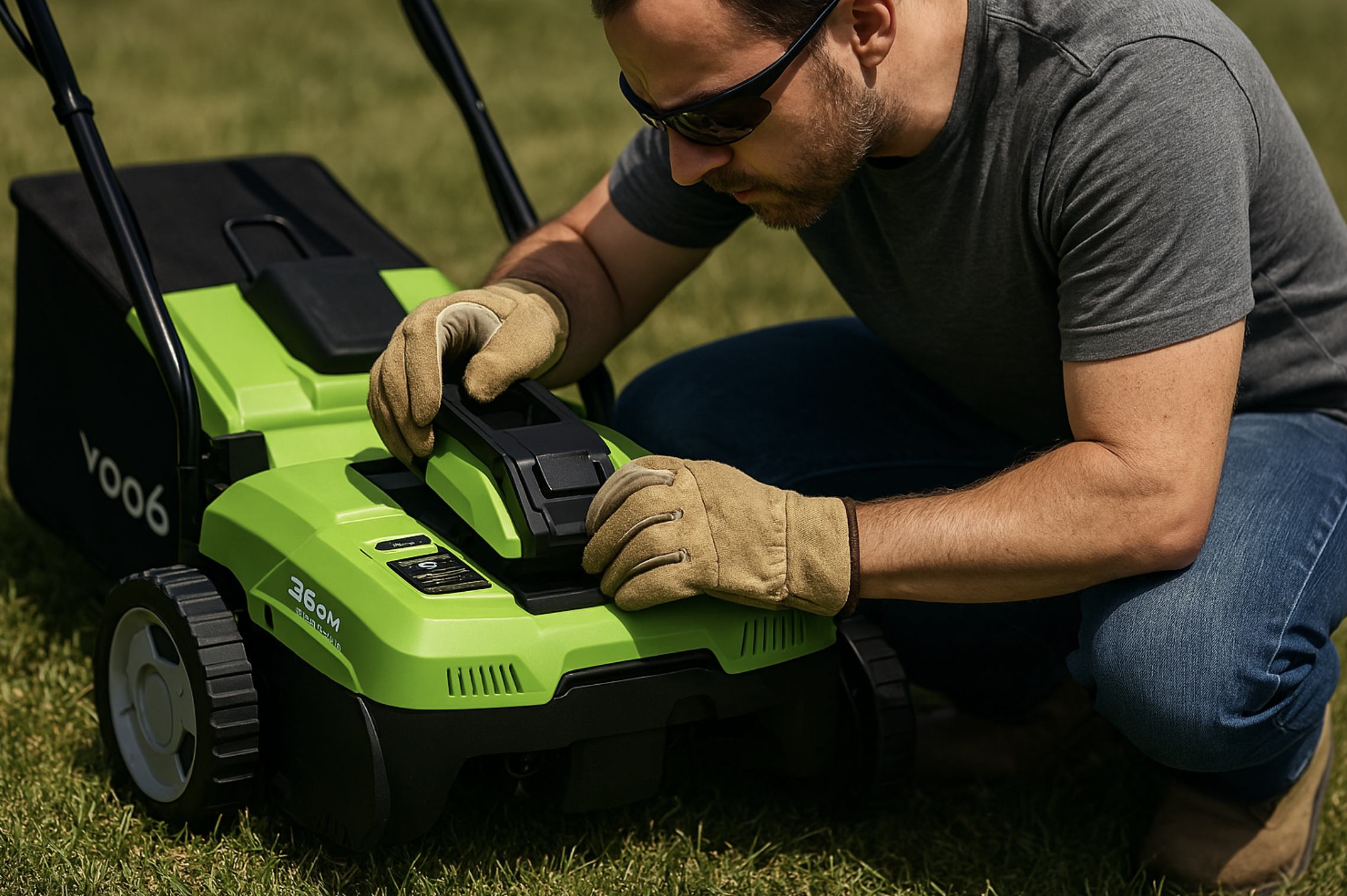
    Electric lawn Thatcher is an upgraded tool that has more power than manual tools for lawn car. Currently, these machines can work with 12 amp corded motor or cordless batteries, with the help of different tines you can remove thatch efficiently.

    Pros:

    • Very good at removing thick thatch layers even when thatch has grass clippings and moss
    • Easy to use and light weight especially models like Green works Thatcher and Sun Joe scarifier
    • Makes less noise than gas models
    • Some models work as both electric scarified and Thatcher.

    Cons:

    • Lack of Bagging Efficiency: The tested electric dethatchers had bagging attachments that were essentially useless. Most users found it more efficient to rake up the dead grass or use a lawn sweeper afterwards.
    • No Scarifying Function (Some Models): Some electric dethatchers are solely dethatchers and do not offer a scarifying option.
    • Corded model needs power supply
    • Cordless electric dethatchers can be pricey, especially with the battery and charger.

    Top Picks Based on Reviews:

    • Best Overall: 13-amp Thatcher gives strong performance and good value.
    • Runner-Up: Compact electric scarified and Thatcher performs both tasks efficiently.
    • Cordless Upgrade: 14-amp battery Thatcher with good thatch removal and simple controls.
    • You can see other good picks here

    Manual Lawn Thatchers: Simple and Budget-Friendly

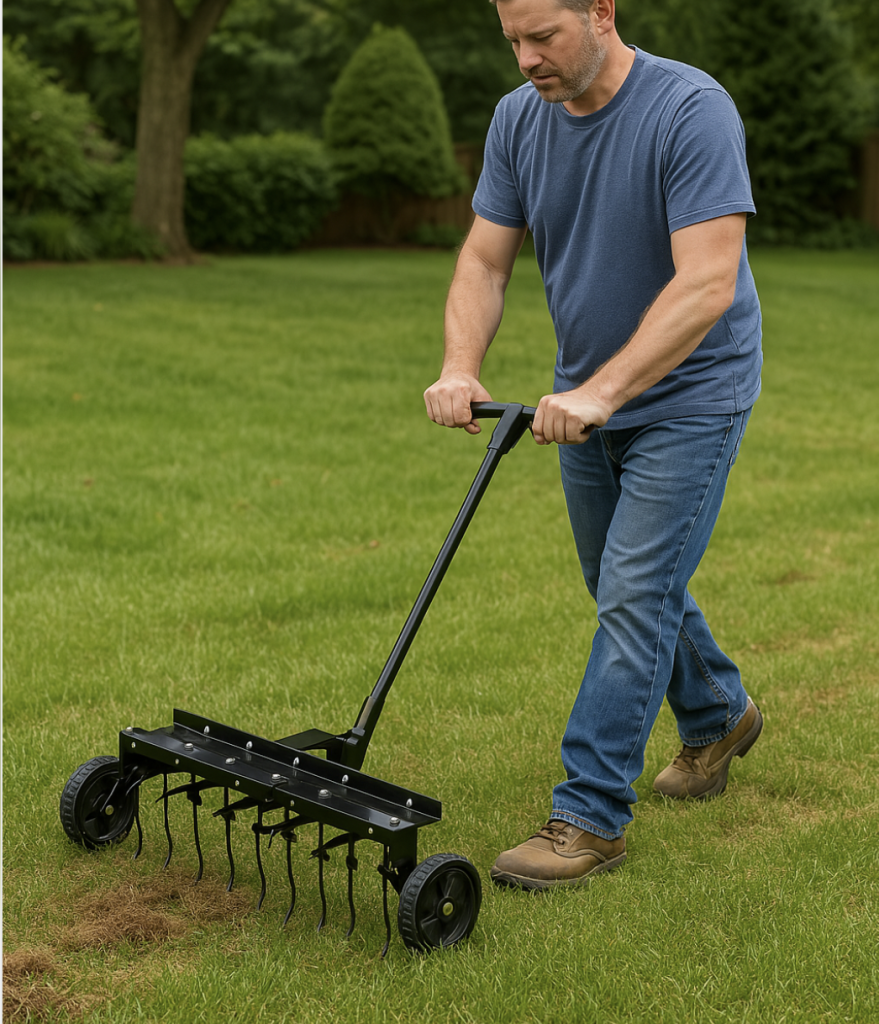
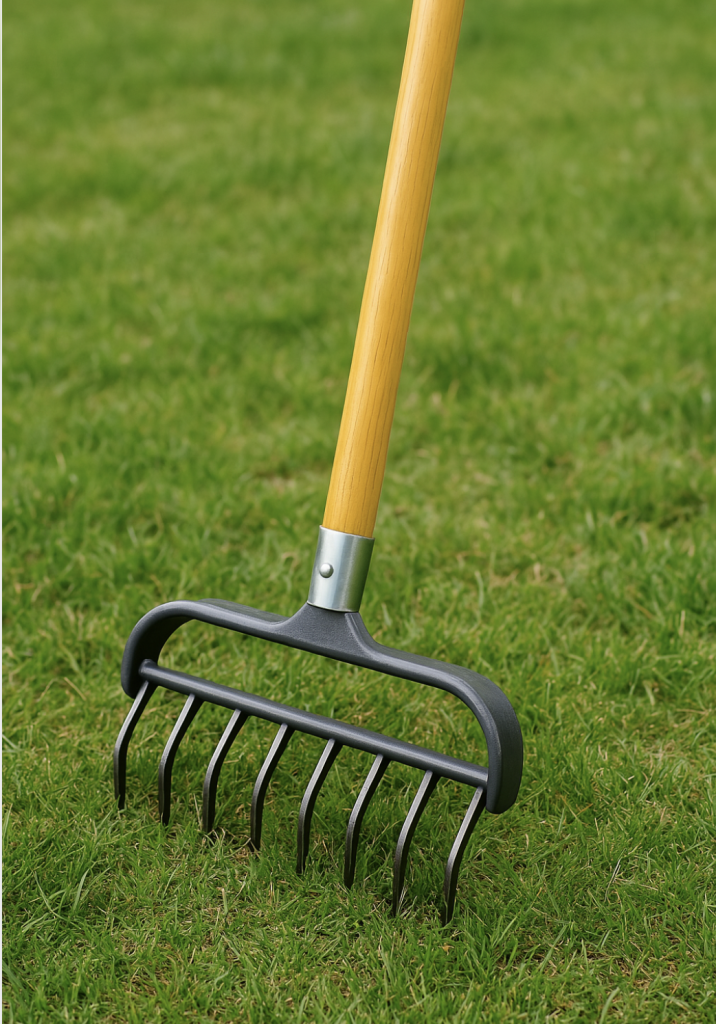
    Manual thatchers like lawn rake with sharp tines and metal detaching rakes work best for small areas and light thatch removal.

    Pros:

    • Money saving and environmentally friendly without electricity or power needs
    • Good for small lawn areas and small spots
    • Different models have adjustable heads for advanced control
    • Useful for other garden work like mulch spreading

    Cons:

    • Exhausting work especially with thick thatch
    • Not suitable for bigger lawns
    • Can damage grass if not used properly
    • Heavy models need more effort
    • Budget Option: Steel bow rake works good for thin thatch
    • Best Manual: Adjustable rake gives control and value

    Tow-Behind Thatchers: For Larger Properties

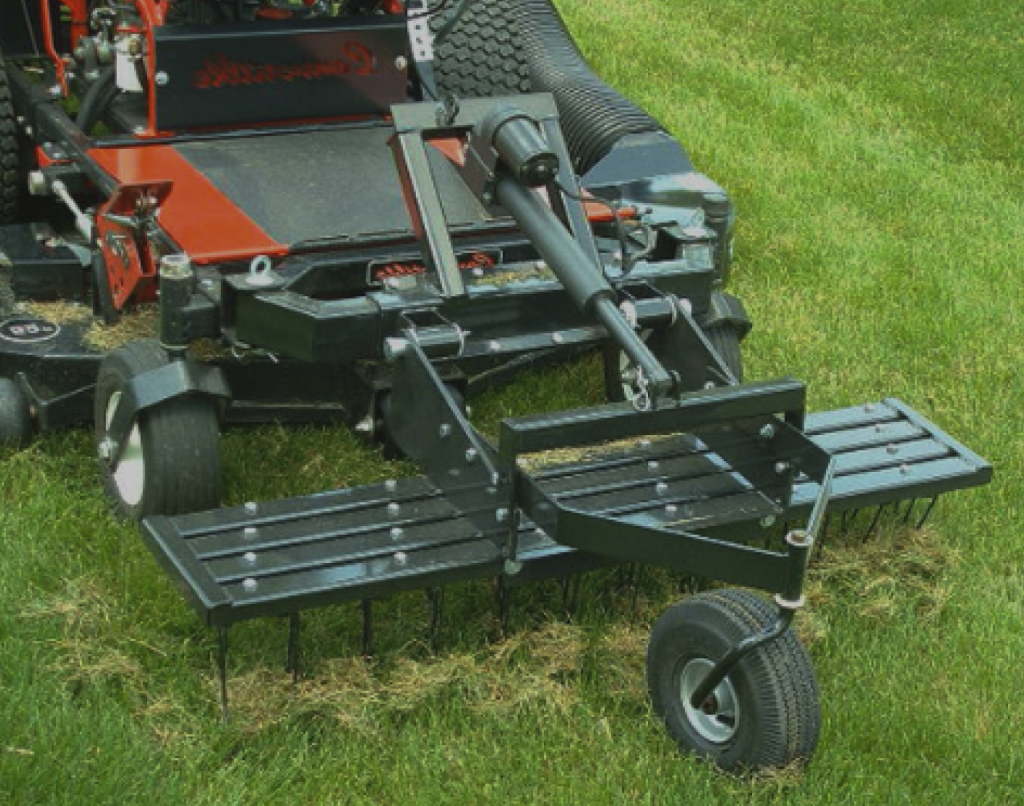
    Tow-behind Thatcher is an upgraded tool that has more benefits for big lawns with riding mower. At present these thatchers can do most work quickly and with weights they remove thatch more deeply.

    Note: Not suitable for Bermuda grass – use overcutting instead.

  • Shade Plants & Shade Gardens, But Make Them Stunning

    Shade Plants & Shade Gardens, But Make Them Stunning

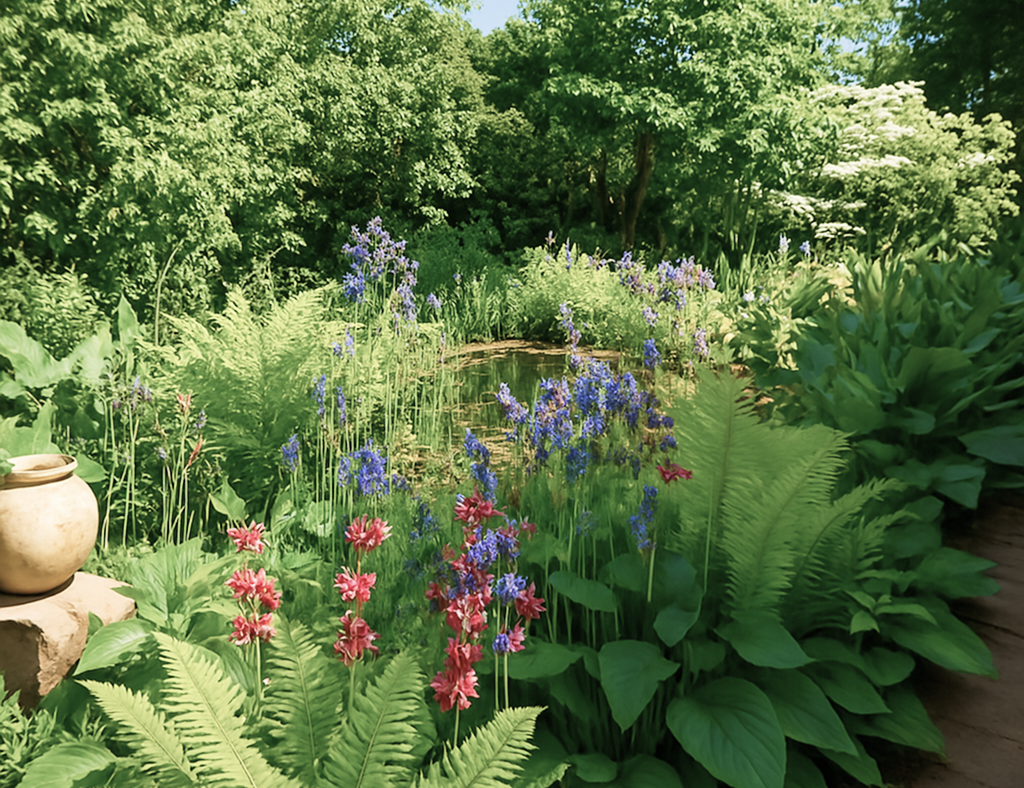
    Designing a shade plant garden isn’t just about finding plants that survive low light—it’s about creating a space that feels lush, layered, and alive with texture and color. Just because a corner of your yard doesn’t see much sun doesn’t mean it can’t be one of the most beautiful spots on your property.

    Here’s how to build a shade garden that does more than just “make it work.”

    Start With Foliage Color

    Sure, flowers are fun. But in a shade garden, foliage is the real star.

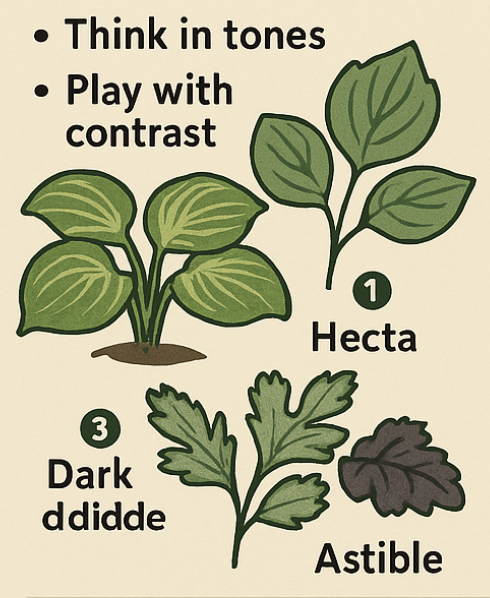
    Think in tones. Pair deep green Hostas with lighter, almost ethereal ferns. Add silver-leaved plants like Pulmonaria or Lamium to catch the light and brighten shadowy spots. Bonus points for variegated leaves—like Ascot Rainbow Euphoria, with green centers and limey yellow edges that pop without overwhelming.

    Play with contrast. Add drama with dark foliage. Deep purples and burgundies (hello, Heuchera!) create a moody vibe that makes the surrounding greens and silvers glow even more. Some Astilbes also bring a dusky edge that gives the whole garden depth.

    Layer In Texture

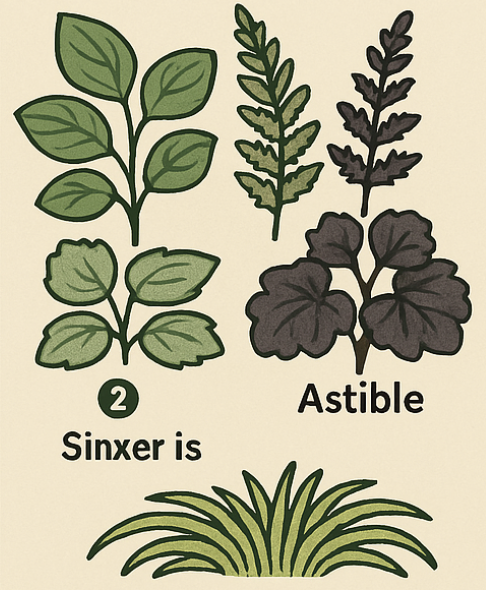
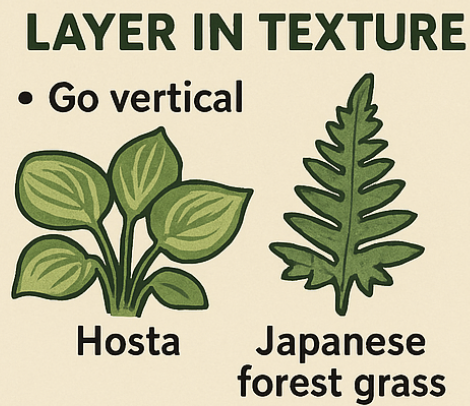
    Big vs. delicate. Let the broad, confident leaves of Hosta anchor your design. Then weave in feathery ferns or fine-textured plants like Tiarella to create contrast.

    Texture adds dimension and keeps your eye moving. It’s what makes a garden feel like a little world—not just a patch of plants.

    Grassy is good. Japanese Forest Grass is soft, golden, and full of motion. It’s basically the shade garden version of a breeze you can plant.

    Mix leaf shapes. Try pairing the large, dappled leaves of Pulmonaria with the tighter, more compact foliage of Heuchera. Want something bolder? The jagged, oversized leaves of ornamental rhubarb add drama you can see from across the yard.

    If you need a visual guidance, you can refer to here.

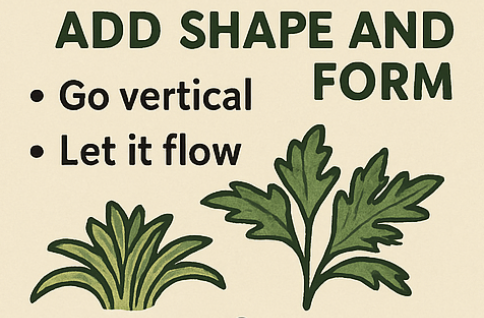
    Add Shape and Form

    It’s not just what your plants look like—it’s how they grow.

    Go vertical. Ferns naturally reach up, which adds height and structure to the more mounded shapes of Hostas and Heucheras.

    Let it flow. Plants like Japanese Forest Grass sway gently, giving your garden movement and life, even when everything else is still.

    Some Winning Combos to Try

    Designing from scratch? Start with these can’t-go-wrong combinations:

    Silver + Color: Pulmonaria ‘Silver Bouquet’ + two shades of Heuchera (deep purple + soft peach) + a Hosta in a complementary green.

    Texture Play: Golden Japanese Forest Grass + delicate ferns + deep purple Heuchera ‘Grape Expectations.’

    Bright Meets Moody: Ascot Rainbow Euphoria + dark green ferns + silver-toned Heuchera for that shade-loving glow.

    Shiny vs. Matte: Brunnera ‘Miss Piggy’ + Astilbe ‘Dark Side of the Moon’ + the rich, intricate texture of Tiarella.

    Woodland Vibes: Mix and match ferns + bold Hostas + the graceful arches of Solomon’s Seal.

    Final Thought

    A shade garden is your chance to get creative with color, form, and texture. It’s where subtlety shines—and where thoughtful combinations turn overlooked spaces into showstoppers.

    Need inspiration? Start with a container. If it works there, it’ll work even better in your garden bed.

  • Lawn Aeration 101:No Experience Needed

    Lawn Aeration 101:No Experience Needed

    Lawn aeration might sound like complicated gardening jargon. Want a thicker, greener lawn without needing a landscaping degree? You’re in the right place! Trust us, it’s a simple yet incredibly effective way to boost your lawn’s health, and you don’t need any prior experience to get started.

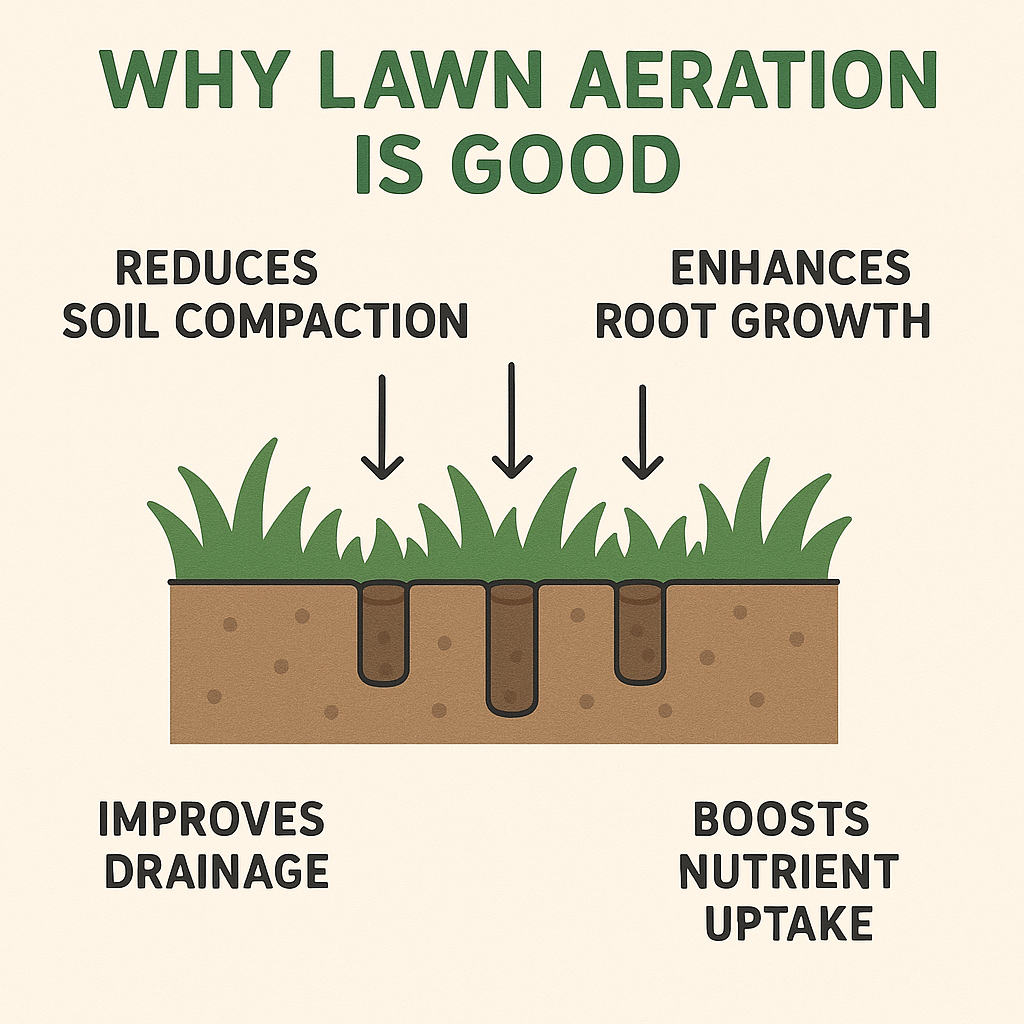
    Why lawn aeration is good

    What is Lawn Aeration All About?

    Think of your lawn’s soil as needing to breathe. Over time, it can get packed down, especially in a climate like Vancouver with frequent rain. This soil compaction makes it tough for essential things like air, water, and nutrients to reach the grass roots, which are the lifeline of your lawn.

    Lawn aeration is simply the process of creating small holes in your lawn’s soil. It’s like giving your lawn tiny breathing holes. The best way for beginners to do this, especially if you’re dealing with compaction, is through core aeration (also known as hollow tine aeration). This involves using a tool to remove small plugs or “cores” of soil from your lawn.

    While there’s also spike aeration, which uses solid spikes to poke holes, it can sometimes make compaction worse by just pushing the soil down. For really improving your lawn’s health, core aeration is the way to go.

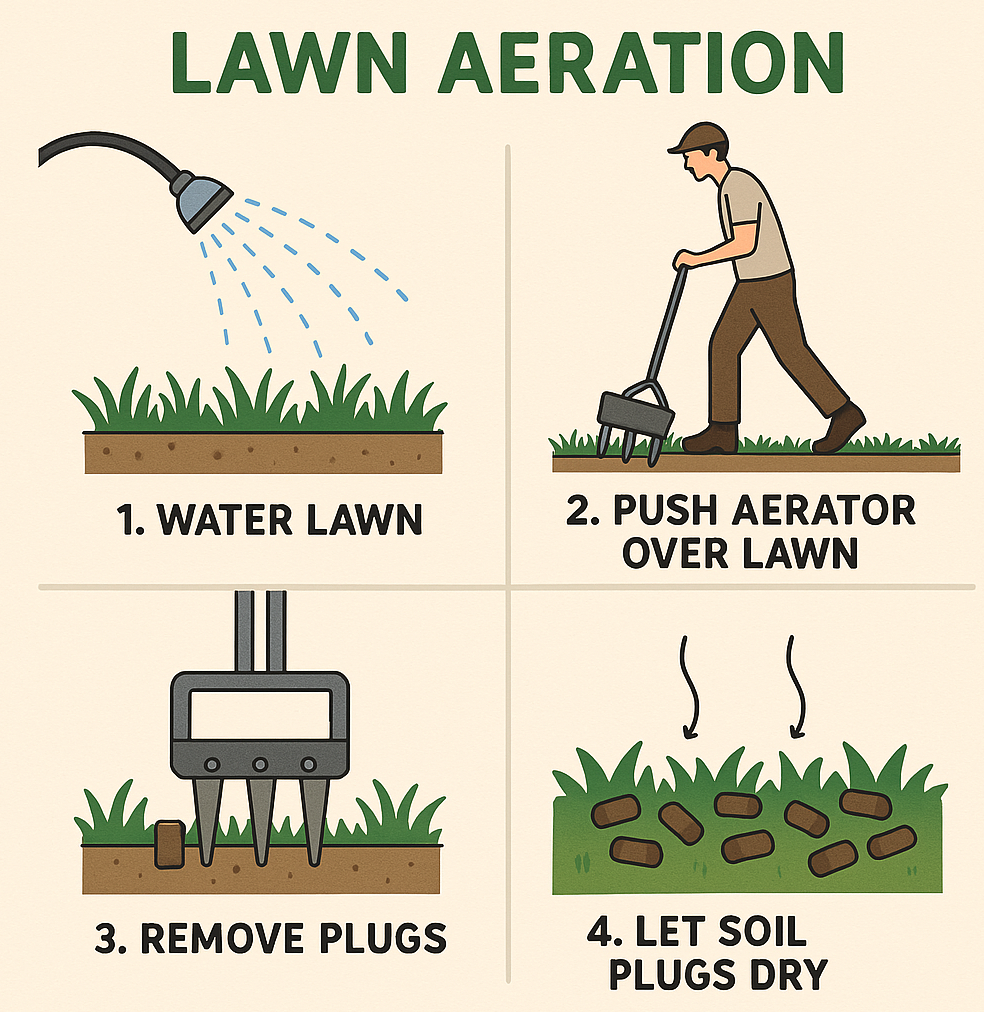
    instruction of lawn aeration

    Why Your Vancouver Lawn Will Thank You for Aeration:

    Vancouver’s beautiful but often wet weather can contribute to soil compaction over time. Aeration offers a fantastic range of benefits that are perfect for local lawns:

    • Better Airflow: Just like us, grass roots need oxygen to thrive. Aeration allows air to get down into the soil much more easily.
    • Improved Water Absorption: When the soil is compacted, rainwater and irrigation tend to run off, leading to dry patches. Aeration creates pathways for water to soak down to the roots where it’s needed most.
    • Enhanced Nutrient Uptake: Fertilizer and other beneficial nutrients can’t do their job if they can’t reach the roots. Aeration opens up the soil so these nutrients can get where they need to go.
    • Reduced Thatch: Thatch is that spongy layer of dead grass and other organic matter that can build up on the soil surface, blocking air and water. Core aeration helps to break down this layer naturally.
    • Stronger, Deeper Roots: When your grass has easy access to air, water, and nutrients, it can grow stronger and develop a deeper root system. This makes your lawn more resilient to stress like drought and disease.

    Choosing Your Beginner-Friendly Aeration Tool:

    For beginners, manual core aerators are an excellent and cost-effective choice for most home lawns. These tools usually have two or more hollow tubes (tines) that you push into the ground with your foot to pull out those small soil cores.

    • Affordable Options: You can find manual core aerators that won’t break the bank. They might require a bit of effort, but they are perfect for getting started and for smaller lawns. Many online reviews can help you find well-regarded budget-friendly options.
    • More Robust Tools: If you plan on aerating regularly or have a larger lawn, you might consider investing in a more heavy-duty manual aerator. These often have features like replaceable tines, which can extend the life of the tool.

    When Should You Aerate in Vancouver?

    For the cool-season grasses that thrive in Vancouver, fall is generally the best time to aerate. This gives your lawn plenty of time to recover and fill in the aeration holes before it faces the stresses of the following summer. While you can aerate in the spring, fall is often less stressful for your grass. If you’re planning to overseed (plant new grass seed), doing it right after fall aeration is ideal as the seeds can settle into the holes for better soil contact. Just remember, if you do seed, keep the soil consistently moist until the new grass starts to grow.

    Your Simple Guide to Manual Lawn Aeration:

    1. Prep Your Lawn: Make sure your lawn has been watered recently or after a good rain. Slightly moist soil makes aeration much easier.
    2. Get Aerating: Position your manual core aerator over a spot on your lawn. Use your foot to apply firm, even pressure to push the tines down into the soil.
    3. Lift and Repeat: Pull the aerator up. You should see small plugs of soil being ejected from the tines. Move to the next spot, overlapping your previous holes slightly or spacing them a few inches apart. For manual aerators with only a couple of tines, you’ll likely need to go back and forth across your lawn to get good coverage. Aim for holes that are roughly 2 to 3 inches apart.
    4. Clean Your Tool: Once you’re finished aerating, take a few minutes to clean any soil out of the hollow tines. A screwdriver or a blast from your garden hose works well for this. This will prevent clogs and keep your aerator working effectively.

    What Happens After Aeration?

    After you’ve aerated, you’ll notice those small plugs of soil sitting on your lawn. Don’t worry, this is a good thing! It’s generally recommended to leave these cores on the surface. Over time, they will break down naturally with rain and your regular mowing, returning valuable nutrients back into the soil. Avoid raking them up unless you have a specific reason to, like wanting to ensure better seed-to-soil contact if you’ve overseeded. One thing to keep in mind is if you use a reel mower, these soil cores might contain small stones that could potentially damage the mower blades, so you might consider picking them up in that case.

    Beyond just helping with air and water, core aeration also helps to break up and thin out the layer of subsurface thatch, which is the built-up dead organic material below the visible surface. This allows everything your lawn needs to thrive to penetrate even deeper.

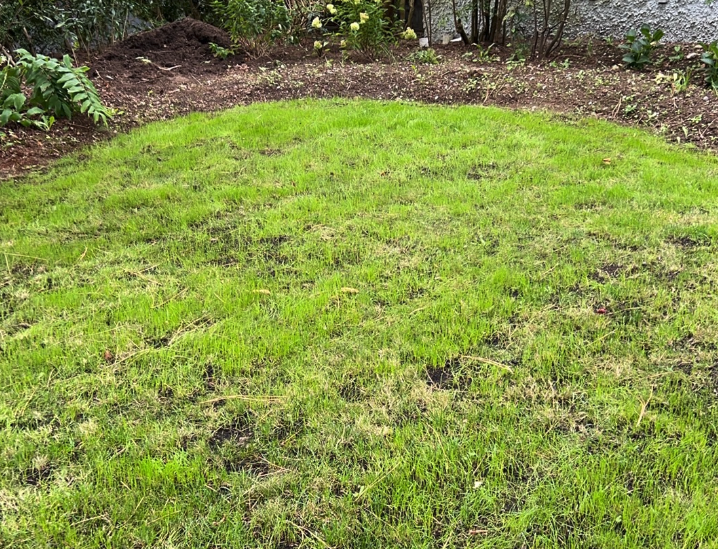
    fresh lawn grown after lawn aeration

    Aerating your lawn doesn’t have to be a chore reserved for professionals. With a simple manual core aerator and this guide, you can easily take this important step towards a healthier and more beautiful Vancouver lawn. If not, you can always contact a professional to do it. So get out there and give your lawn the aeration it needs – you’ll be amazed at the difference!

  • What is the Best Lawn Soil? How to get in Vancouver?

    What is the Best Lawn Soil? How to get in Vancouver?

    Having a lush, green lawn is a goal for many homeowners. The foundation of a beautiful lawn lies in the soil beneath your feet. Understanding your lawn’s soil is the very first and most important step in achieving that vibrant green carpet. So, what truly is the best lawn soil? While there’s no single magic formula, the best lawn soil is one that provides your grass with the essential nutrients and a healthy environment to grow strong.

    beautiful lawn soil

    Why Your Soil Matters More Than You Think

    Think of your lawn’s soil as its lifeline. Without a healthy soil foundation, your grass will struggle, no matter how much you water or mow. The truth is, without testing your soil, you’re essentially guessing what it needs. You could be wasting money by adding too much of one fertilizer and not enough of another crucial element. By taking the time to test your soil, you can understand exactly what’s going on beneath the surface and tailor your lawn care to its specific needs. This targeted approach is the key to a truly thriving lawn.

    Unlock the Secrets with a Soil Test

    Taking a soil test might sound complicated, but it’s a straightforward process that yields invaluable information. Here’s a simple overview based on expert advice:

    • Gather samples from different spots: Don’t just take soil from one area. Aim for 10 to 15 small samples from various locations across your lawn to get a representative picture of your soil’s overall health.
    • Use the right tool: You can use a specialized soil coring tool or even a simple garden spade to carefully collect your samples.
    • Remove the top layer: Be sure to remove any visible thatch or grass from the surface before collecting your soil sample. You want to test the soil itself.
    • Mix it all together: Once you have your samples, combine them in a clean container to create a uniform mixture. This ensures your test reflects the average condition of your lawn.
    • Send it to a lab: Most soil test kits come with instructions on how much soil to send to a laboratory for professional analysis.

    The results of your soil test will reveal the levels of essential nutrients in your soil, such as nitrogen, phosphorus, and potassium, as well as its pH level. This information will guide you on what, if any, amendments are needed.

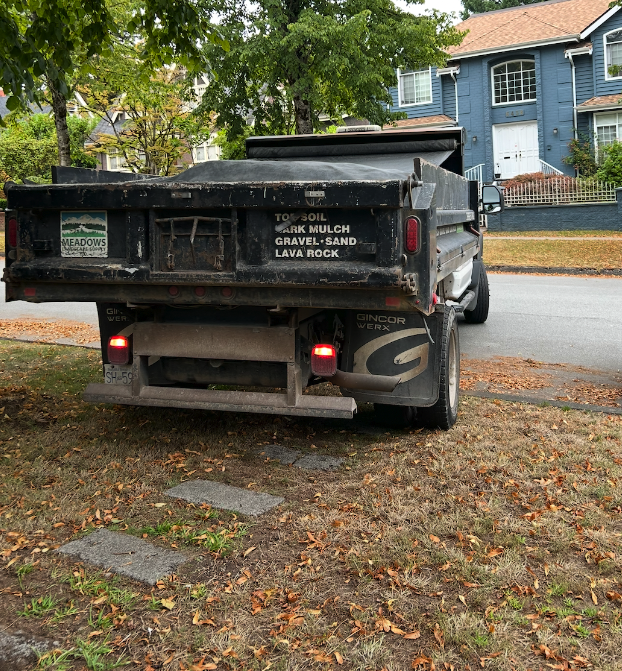
    truck unload soil

    Boosting Poor Soil for a Greener Lawn

    What if your soil test reveals that your lawn’s foundation needs some work? Don’t worry, there are effective ways to improve poor soil:

    • Consider a Raised Garden Bed: If your existing soil is very poor, building a raised bed and filling it with high-quality soil and compost can provide an immediate improvement in drainage and nutrients.
    • Enrich Directly in the Ground: For a more integrated approach, you can dig holes where you plan to plant or where your lawn is struggling and fill them with compost or manure. For a longer-term boost, you can even layer kitchen waste, dead leaves, and weeds at the bottom before adding compost. This creates a natural composting system right in your lawn, slowly releasing nutrients over time. This is best done before the main growing season to allow time for decomposition.
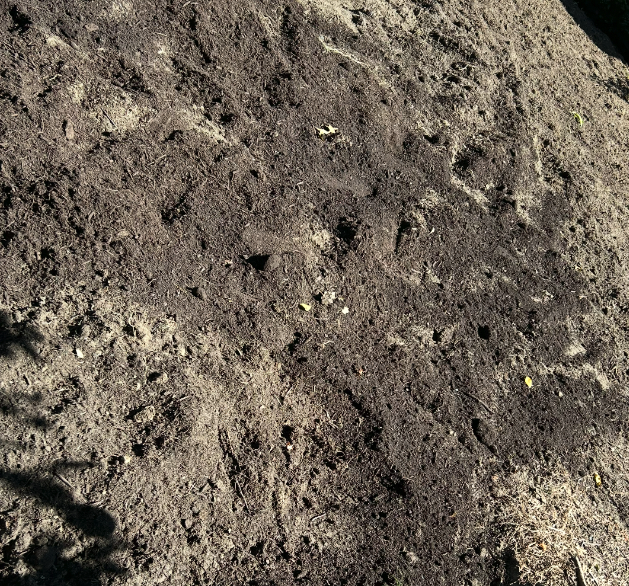
    aerated lawn soil

    The Scoop on Bagged Soils

    When starting a new lawn or adding a top layer to an existing one, you might consider using bagged soils. While convenient, not all bagged soils are created equal. Research has shown that nitrogen levels can vary significantly between different brands. Soils with higher nitrogen content tend to support more vigorous growth. However, even high-quality bagged soils might be low in certain other important nutrients, like magnesium and micronutrients. This reinforces the importance of soil testing, even if you’re using bagged products.

    The Final Word: Know Your Soil for Lawn Success

    In the end, the “best” lawn soil isn’t a product you buy; it’s a healthy, balanced soil ecosystem that meets the specific needs of your grass type. The most effective path to achieving this is to start with a soil test. Understand what your lawn truly needs, and then take targeted action to improve its health, whether through organic matter, soil amendments, or even strategic use of bagged soils. By understanding and caring for your soil, you’re setting the stage for a vibrant, healthy lawn that you can be proud of.

  • Small back yard ideas inspired by Japanese modern garden

    Small back yard ideas inspired by Japanese modern garden

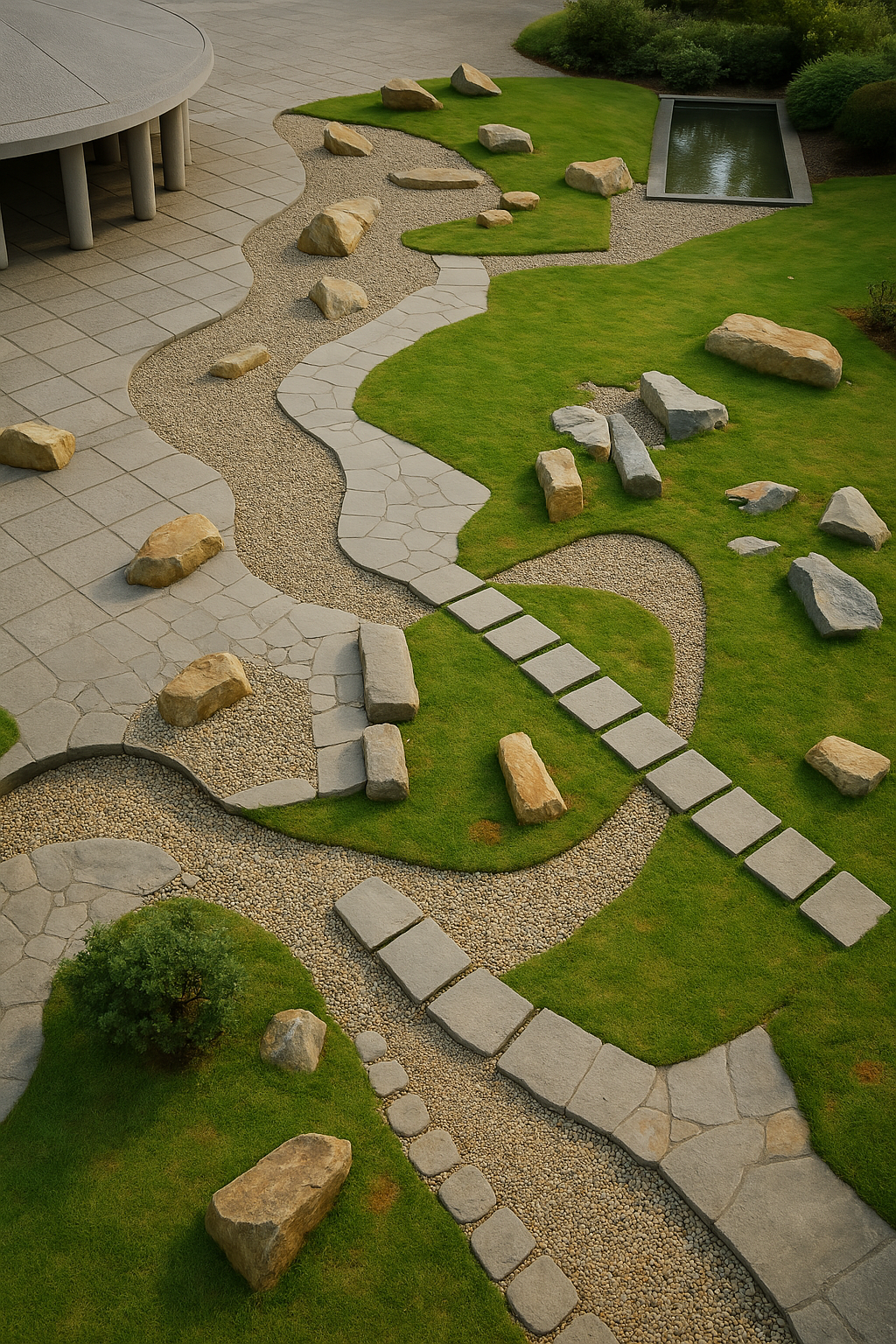
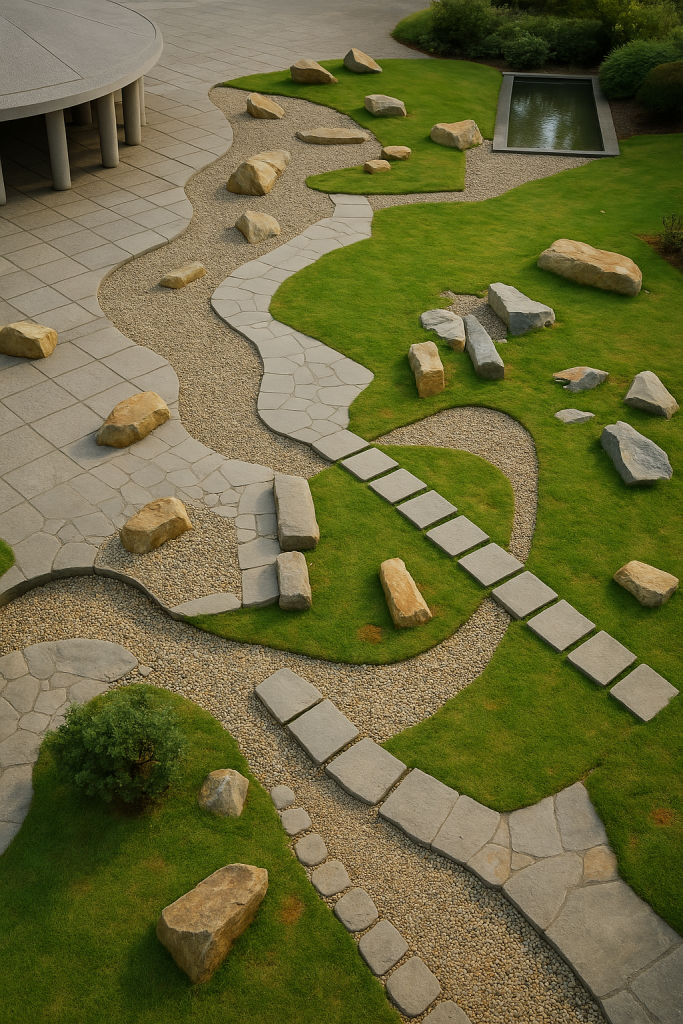
    Japanese Garden designed by modern master

    Dreaming of a tranquil and aesthetically pleasing Japanese modern garden in your Vancouver s small backyard, but working with limited space? You’re not alone! Even small backyards can be transformed into serene retreats with thoughtful design and a touch of creativity. Drawing inspiration from both classic Japanese garden principles and budget-friendly landscaping ideas, here are some concepts to consider:

    Embrace Simplicity and Defined Spaces:

    Japanese modern gardens often prioritize clean lines, minimalist aesthetics, and a sense of tranquility. In a small backyard, this means being deliberate with your layout. Consider dividing your space into distinct zones, even if they are small.

    • A small patio or stepping stone path can define a “hardscaped” area. Patio is important part of landscape design. Even budget-friendly DIY versions using simple pavers. Consider using cost-effective options like basic concrete pavers or gravel pathways, reminiscent of the simplicity often found in Japanese gardens. The use of stepping stones as transitions between areas, can also evoke a Japanese garden feel without the expense of a large continuous patio.
    • Create a dedicated planting area. Instead of sprawling flowerbeds, think about defined planting beds that showcase a curated selection of plants. This aligns with the Japanese aesthetic of highlighting individual elements.
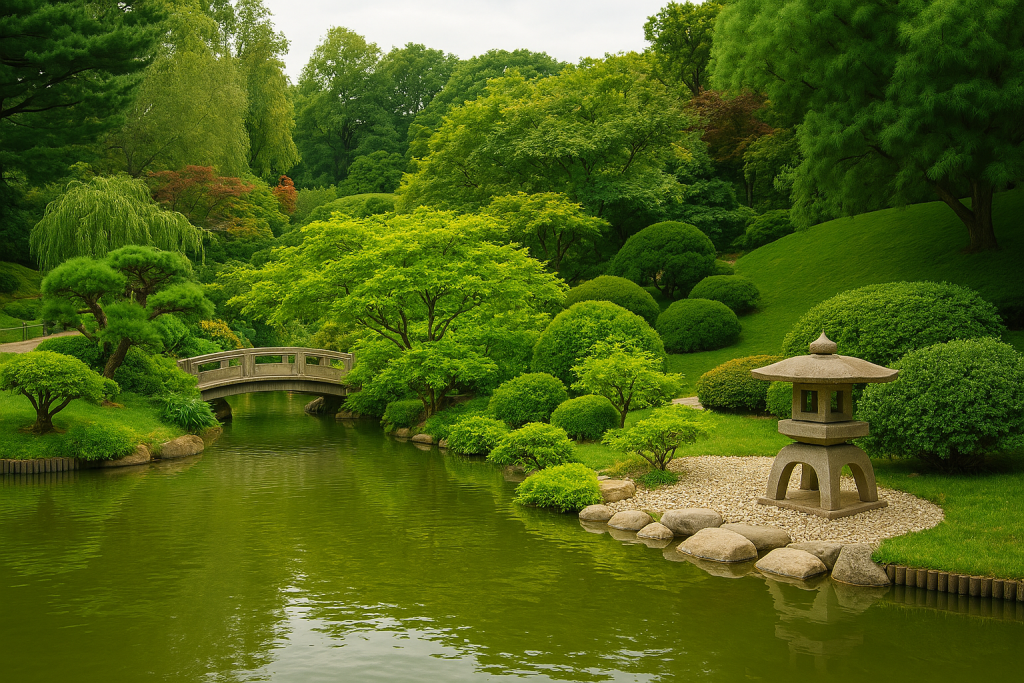
    Japanese garden water feature

    Introduce Natural Elements:

    Japanese gardens emphasize the beauty of nature. Even on a budget, you can incorporate key natural elements:

    • Stones: Rocks are fundamental to Japanese gardens. You can incorporate larger stones as focal points or use smaller gravel to create pathways or ground cover in designated areas, similar to the decomposed granite suggested as a budget-friendly option for a fire pit area.
    • Water Feature (Optional, Budget-Dependent): While elaborate ponds might be costly, even a small container water feature can add a soothing element.
    • Plants: Choose plants that evoke a Japanese feel, such as maples, ferns, bamboo (consider clumping varieties for small spaces), and moss (which can thrive in Vancouver’s climate). The “Epic Gardening” video emphasizes maximizing planting even in small spaces. You can apply the concept of intensive planting with carefully selected species to create a lush yet controlled look.

    Verticality for Small Spaces:

    To maximize space in a small backyard, consider incorporating vertical elements:

    • Vertical Planting: Growing vertically is perfect for maximizing plant in small spaces. This principle can be adapted for aesthetic purposes by using trellises for climbing plants or creating tiered planters to showcase different plant varieties.
    • Screens or Fencing: Consider using bamboo screens or simple wooden fencing to create visual separation and a sense of enclosure, common in Japanese gardens. Painting an existing fence a dark, neutral color like black, can also create a more sophisticated backdrop.
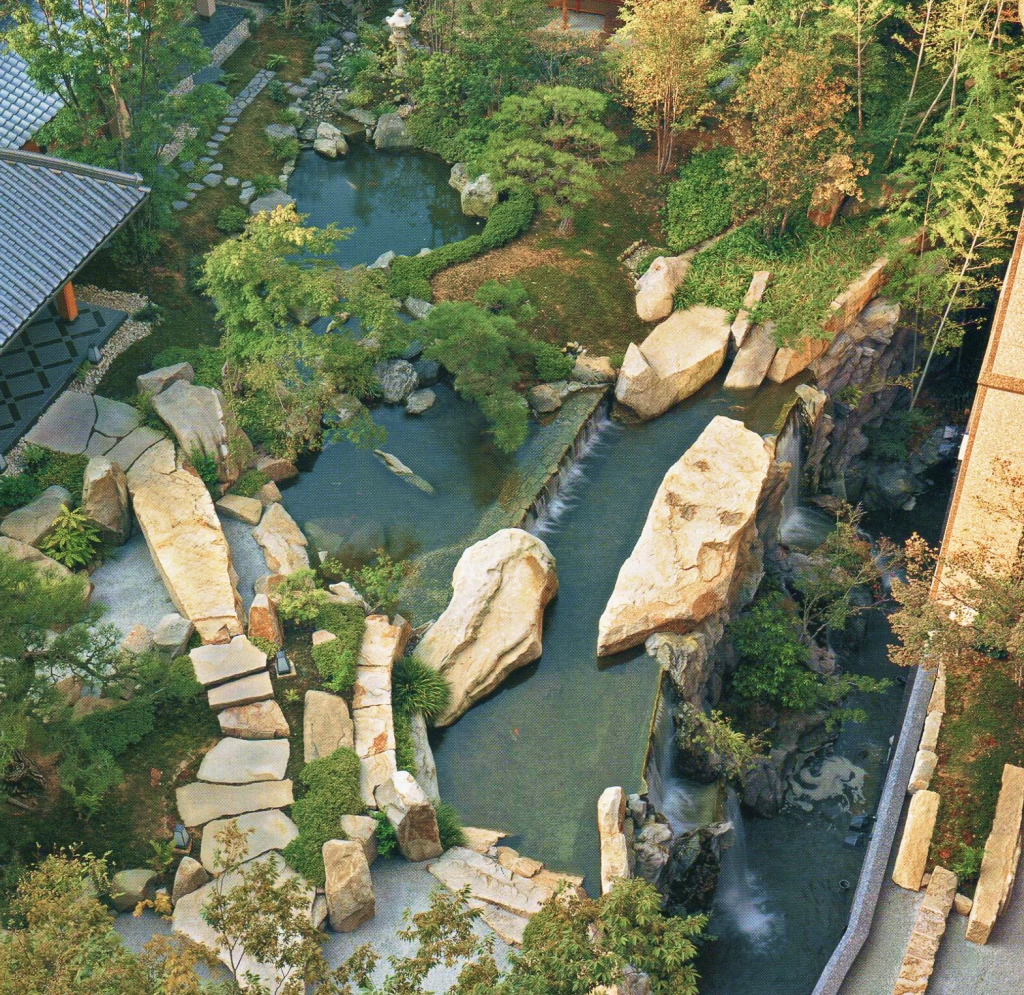
    japanese rock garden designed by Benwell landscape

    Budget-Friendly Hardscaping and DIY:

    Achieving a Japanese modern garden look doesn’t have to break the bank. The provided sources offer several budget-conscious hardscaping tips:

    • DIY Patios and Paths: Laying your own paver patio or creating stepping stone paths is a significant cost-saver.
    • Utilize Affordable Materials: Consider using less expensive paver options or decomposed granite for certain areas.
    • Repurpose and Upcycle: Think about using natural materials found locally or repurposing existing elements in your backyard.

    Enhance with Subtle Details:

    The details can truly elevate your small Japanese modern garden:

    • Outdoor Furniture: Choose simple, low-profile outdoor furniture in natural materials or neutral colors.
    • Lighting: Soft, subtle lighting can enhance the ambiance of your garden, especially in the evenings. Consider solar-powered lanterns or string lights.
    • Ornamental Elements: Incorporate a few carefully chosen decorative elements, such as a stone lantern or a simple water bowl.

    Drawing Inspiration from Japanese Garden Design Principles:

    While focusing on budget-friendly approaches, keep in mind some core principles of Japanese garden design:

    • Miniaturization: Representing larger landscapes in a smaller space.
    • Balance and Harmony: Creating a sense of equilibrium through the arrangement of elements.
    • Borrowed Scenery (“Shakkei”): Incorporating views beyond your garden boundaries.
    • Asymmetry: Avoiding rigid symmetry for a more natural feel.

    By combining these principles with the practical, budget-friendly tips from the sources, you can transform your small Vancouver backyard into a tranquil and visually appealing Japanese modern garden that you can enjoy for years to come. Remember to consider the specific characteristics of your space and choose elements that resonate with your personal style.

  • Landscaping Edging and Its Cheap? Yes, It Can Be!

    Landscaping Edging and Its Cheap? Yes, It Can Be!

    Want to give your landscaping edging a sharp, defined look without breaking the bank?

    You’re in the right place! Landscape edging is a fantastic way to enhance your curb appeal, separate your lawn from your garden beds, and even help manage weeds. Ou r garden’s looks has been elevated by proper edging techinique. The best part? Achieving a professional-looking edge doesn’t have to cost a fortune. Let’s dive into some cheap and effective ways to tackle landscaping edging.

    Why Bother with Edging?

    Before we get into the “cheap” part, let’s quickly recap why edging is a valuable addition to your landscape:

    • Creates Definition: Edging clearly defines the boundaries between your lawn, garden beds, walkways, and other landscape features. This instantly provides a cleaner and more organized appearance.
    • Prevents Grass Encroachment: A well-defined edge acts as a barrier, helping to keep grass from growing into your carefully cultivated flower beds or mulched areas.
    • Enhances Curb Appeal: Crisp, clean edges contribute significantly to the overall aesthetic of your property, boosting its curb appeal.
    • Aids in Mulch Retention: Edging can help keep mulch within your garden beds, preventing it from spilling onto the lawn.

    Cheap and Easy DIY Edging Techniques

    Now for the part you’ve been waiting for – how to achieve great landscaping edges without spending a lot of money. The good news is, one of the most effective and cheapest methods involves a little elbow grease and some basic tools you might already own.

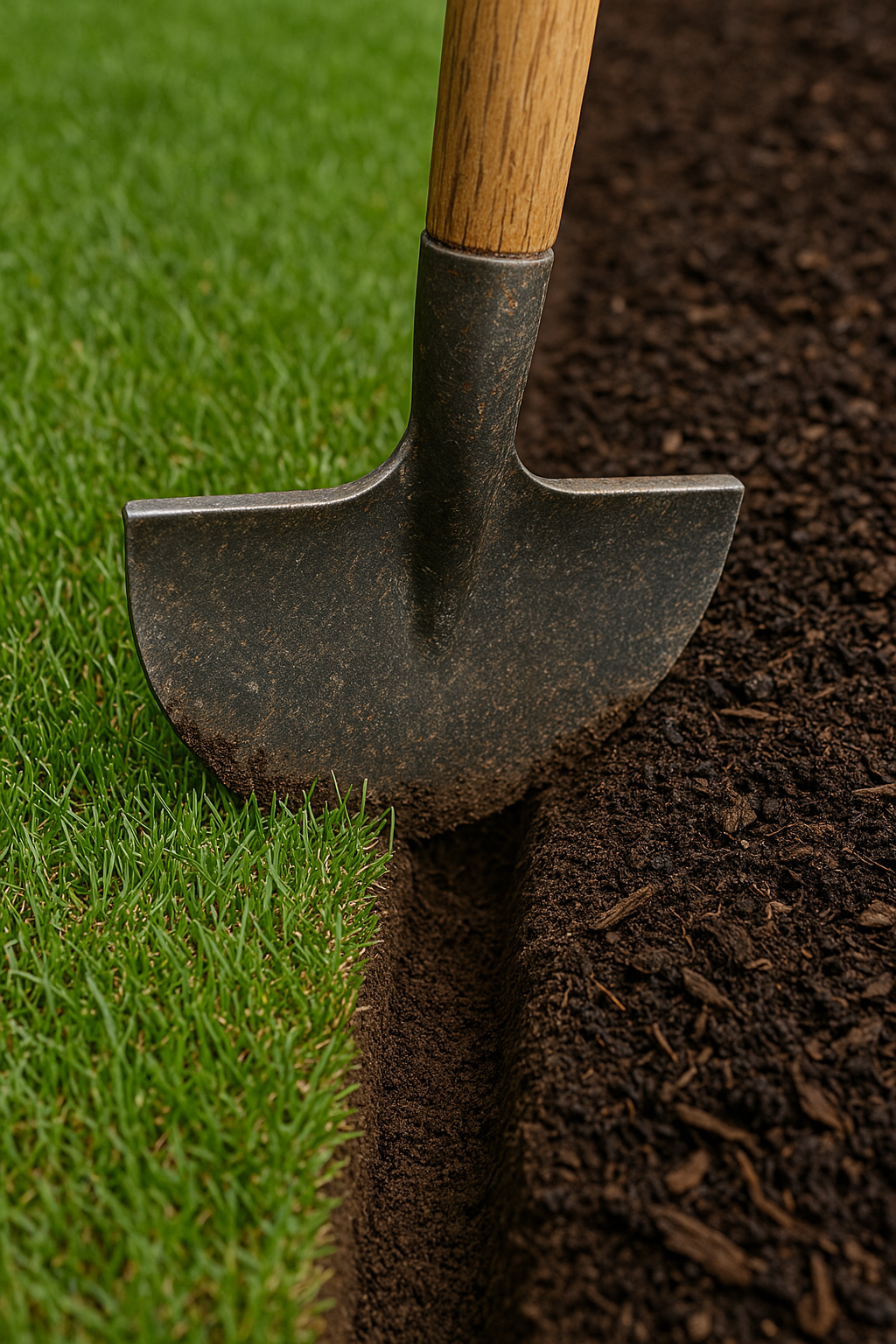
    • Creating a Natural Cut Edge: This is perhaps the most budget-friendly approach. It involves creating a clean, vertical cut between your lawn and garden bed using an edging tool or a half-moon edger.
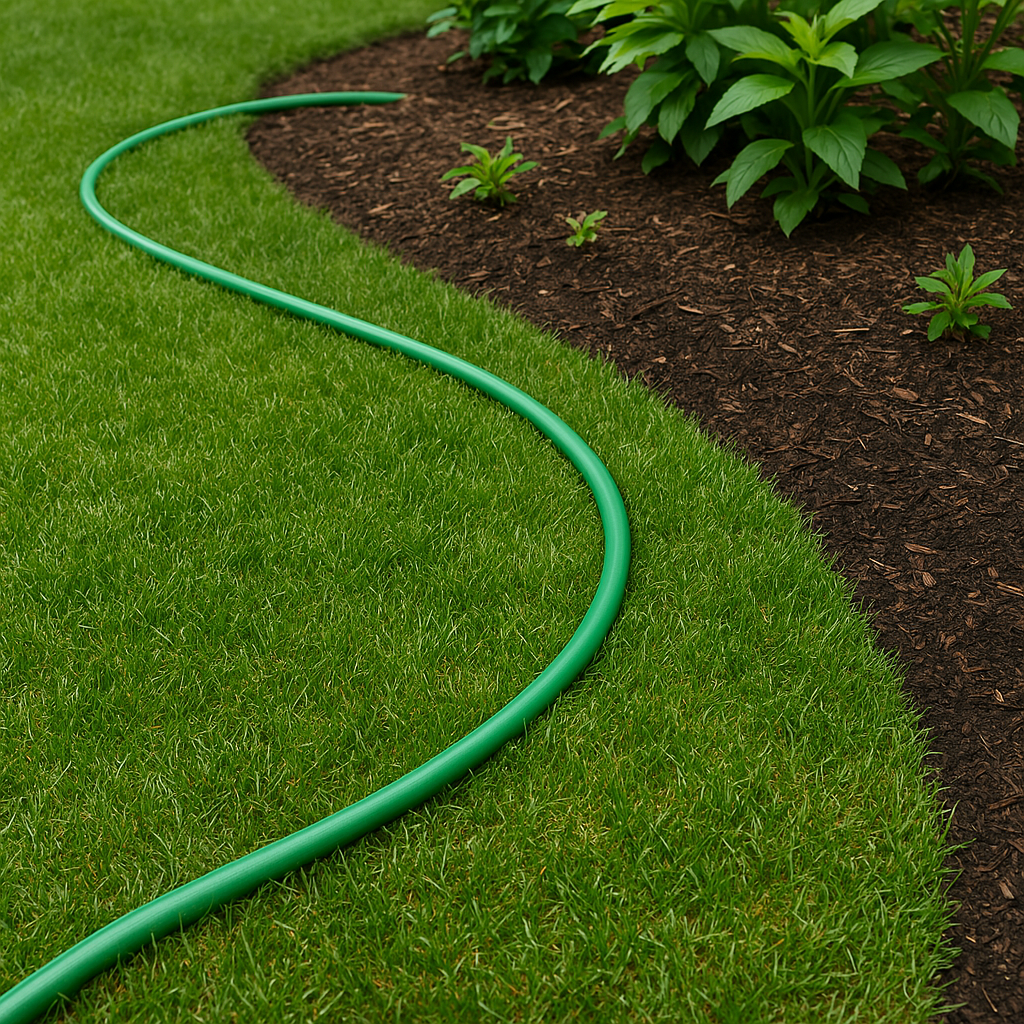
      • Planning Your Lines: Before you start cutting, visualize or mark the desired shape of your garden bed. For organic curves, a garden hose works wonderfully as a flexible guide. Simply lay it on the ground in the shape you want. For straight lines, use landscape stakes and string to ensure evenness. Run the string tightly between the stakes to create a straight guideline. You can even use spray paint to mark these lines on the ground for better visibility.
      • Cutting the Edge: Once your lines are marked, use your edging tool to make a vertical cut about four inches deep into the soil along your marked line. For a more effective barrier against grass, taper back your garden bed on about a 45-degree angle. This creates a small trench that helps contain mulch and discourages grass roots from spreading into the bed.
      • Cleaning Up: After cutting the edge, rake back any mulch that may have spilled over. You can then clean up the edge of the lawn by trimming any overhanging grass. Some even find it helpful to flip their string trimmer upside down to neatly trim the edge, ensuring the clippings are directed away from you.
      • Maintenance: The beauty of a natural cut edge is its ease of maintenance. You’ll likely need to redefine the edge a couple of times a year to keep it crisp.

    Considering Other Affordable Options

    While a natural cut edge is incredibly cost-effective, you might be considering other budget-friendly materials:

    • Repurposed Materials: Get creative! You might have materials lying around that can serve as edging. Think about using old bricks, stones you’ve found, or even treated wood scraps (ensure they are safe for soil contact). While the sources don’t specifically detail these as “cheap” options, utilizing existing materials can certainly save money.
    • Budget-Friendly Plastic Edging: The sources mention plastic edging. While it can provide a physical barrier, be aware that cheaper plastic edging might not last as long and can sometimes shift or require more maintenance over time. One source even advises getting “the good stuff the first time” rather than a generic brand that might crease or not lay flat.

    Tips for Successful and Cheap Edging

    • Plan Your Project: Before you start any edging project, take some time to plan your layout. This will help you determine the amount of edging you need and the best approach for your yard.
    • Use the Right Tools: While you don’t need expensive equipment, having the right basic tools like an edging tool or half-moon edger, a shovel, and potentially a hose or string will make the job much easier.
    • Time it Right: According to one source, spring is the ideal time for edging as the soil is softer, making digging easier. Early fall is also a good option. Avoid edging in the hard, dry soil of summer if possible.
    • Consider Mulch: After creating your edge, adding a layer of mulch to your garden beds not only looks great but also helps suppress weeds.

    In Conclusion

    Landscaping edging doesn’t have to be an expensive endeavor. By utilizing simple techniques like creating a natural cut edge and potentially repurposing materials, you can achieve a well-defined and attractive landscape without breaking the bank. A little effort can go a long way in enhancing the beauty and organization of your Vancouver property!