Whether you’re new to gardening or have experience, the watering can is probably your most frequently used tool. But how often do we think about how it’s designed—and why that matters? If you’re looking for one that lasts, feels good to use, and actually helps your plants thrive, start here.

What Material Is the Watering Can Made Of?
The material of a watering can affects more than its appearance—it changes the weight, durability, and even the feel in your hands.
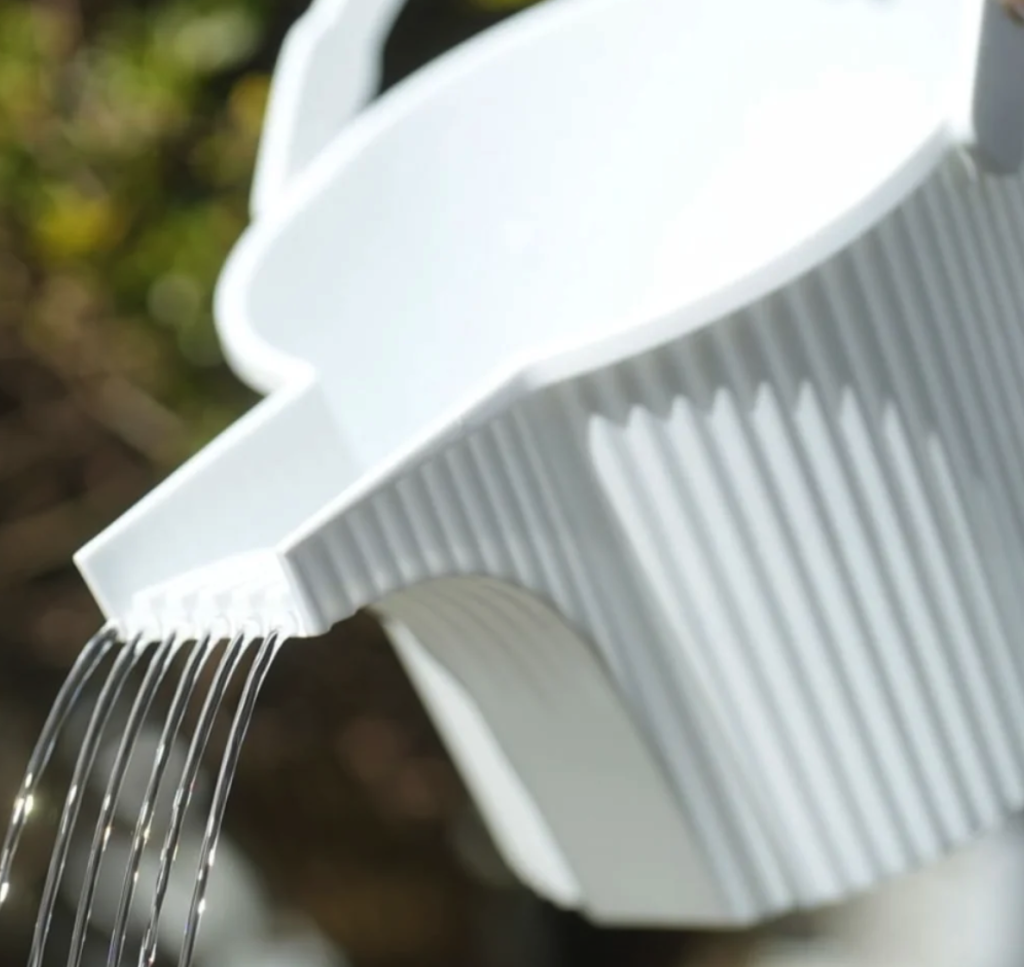
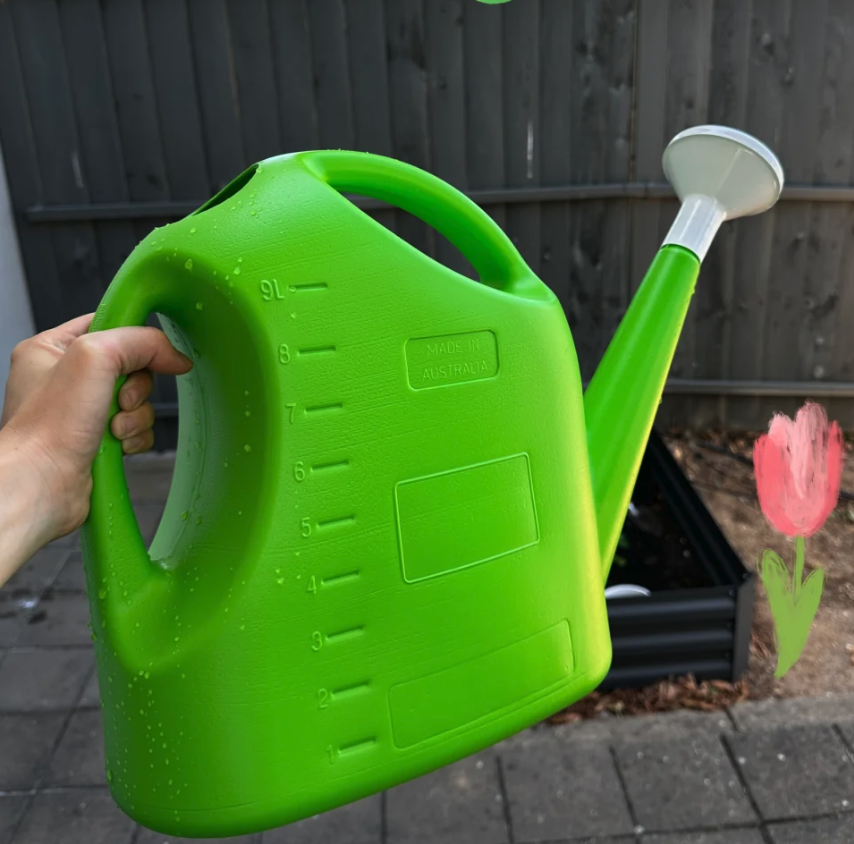
Plastic is lightweight, affordable, and often comes in a range of sizes. It’s a great everyday option for indoor use or small outdoor patios. The downside? Cheaper plastic can crack under UV exposure or cold weather—something to keep in mind in Vancouver’s climate where the seasons shift quickly.
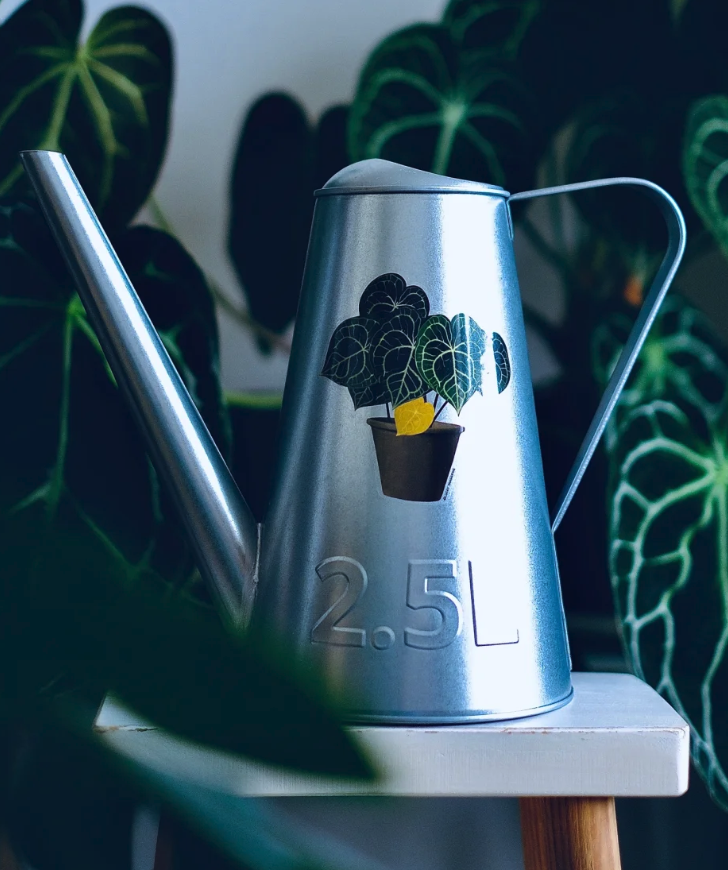
Metal, especially galvanized steel or stainless steel, is more durable and usually considered more attractive. A well-made metal watering can with a powder-coated or rust-resistant finish can last for years. However, they can get heavy when full and may dent if dropped. For serious gardeners, metal offers that long-term value, especially if you’re watering a large number of plants daily.
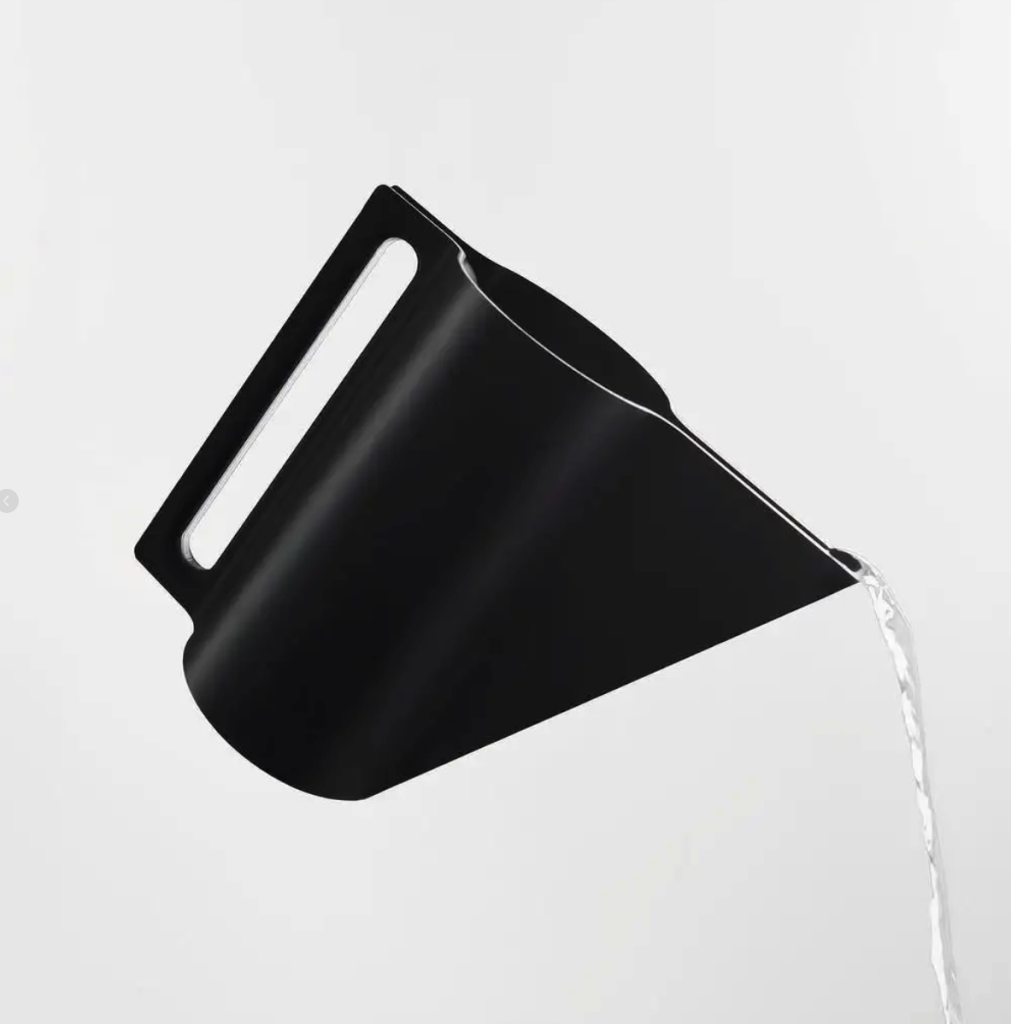
Ceramic or decorative cans are mostly meant for indoor use and light watering. They’re beautiful—but fragile. Think of them as part tool, part home decor.
What Is the Capacity of the Watering Can?
Capacity affects more than just how much water you carry—it also changes how efficient and enjoyable the task becomes.
A 2-gallon can might seem ideal because it cuts down on trips to the tap. But it’s also heavy. Carrying that much weight repeatedly can cause fatigue, especially if you’re watering hanging baskets, raised beds, or rooftop plants.
On the other end of the spectrum, a 1-gallon can or smaller is much more manageable and lets you water with precision. This size is ideal for houseplants or balcony gardens where overwatering is a common concern. If you’re nurturing delicate foliage or plants that require different amounts of water, a smaller can helps you stay in control. Here is a simple DIY Watering can that works:
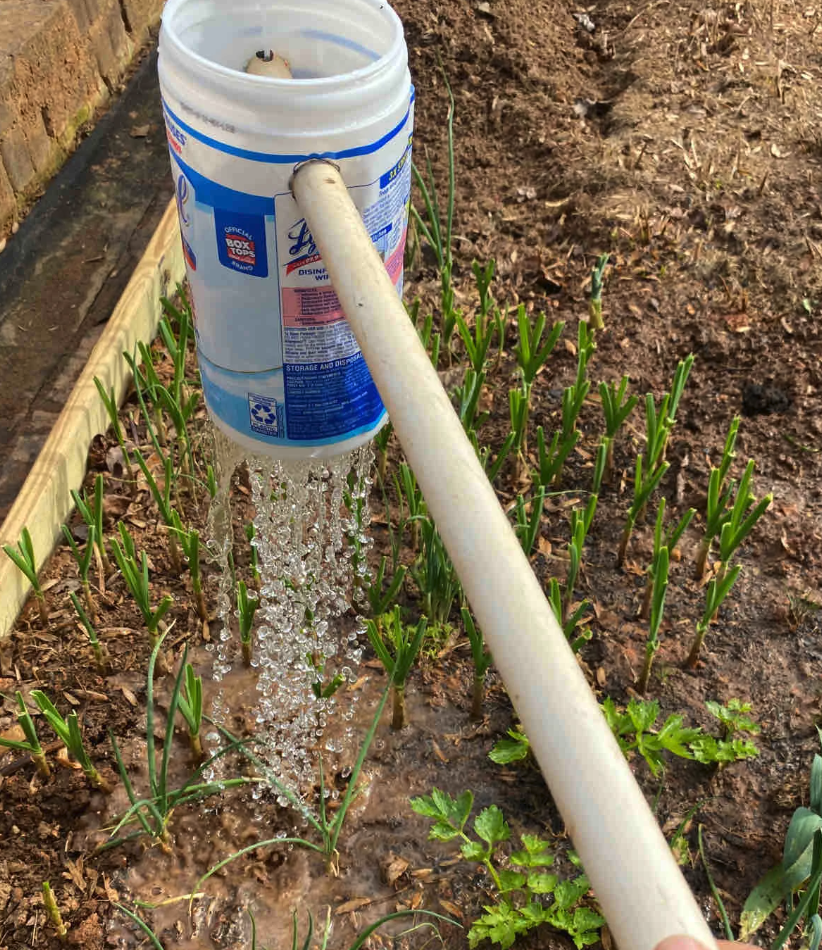
The best practice? Use a large can for broad outdoor areas and a compact one for houseplants or seedlings. Some gardeners even keep both. Consider the layout of your garden and how often you water—capacity should serve your rhythm, not fight it.
Does the Watering Can Have a Detachable Spout?
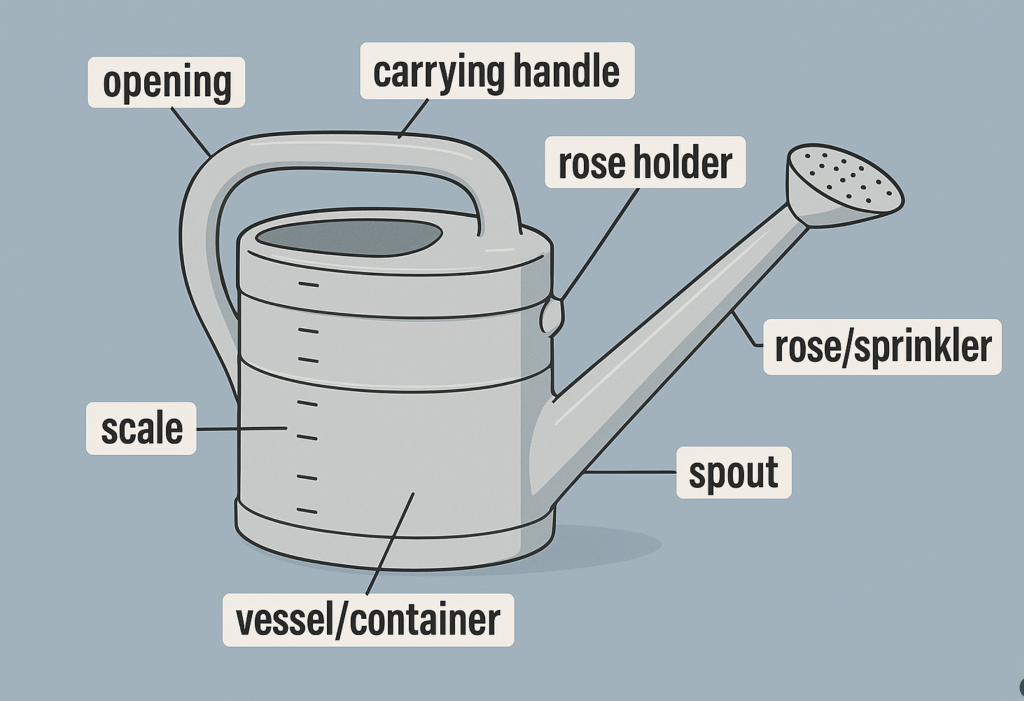
A detachable spout—also known as a rose attachment—is more than a design flourish. It can turn your watering can into a dual-purpose tool.
The rose creates a soft shower-like spray, ideal for young seedlings or plants with fragile leaves. It mimics the feel of rainfall, soaking the soil evenly without displacing it. This reduces the chance of root disturbance, something that’s especially important when starting plants from seed.
When you remove the rose, the water flows directly from the spout in a solid stream. This is helpful when you need to reach deep into pots, deliver water to the base of mature plants, or target root systems more directly.
This simple switch in function makes a detachable spout a must-have if you grow a variety of plants at different stages of development. It’s one small feature with a big payoff—especially when precision matters.
In the end, a watering can isn’t just a container. It’s a choice that shapes how you interact with your garden. With the right material, the right size, and the right spout, you’ll spend less time refilling, reduce waste, and water smarter—not harder. For customized gardening advice or help planning a landscaping system that works with your lifestyle, get in touch with Vancouver Landscaping.