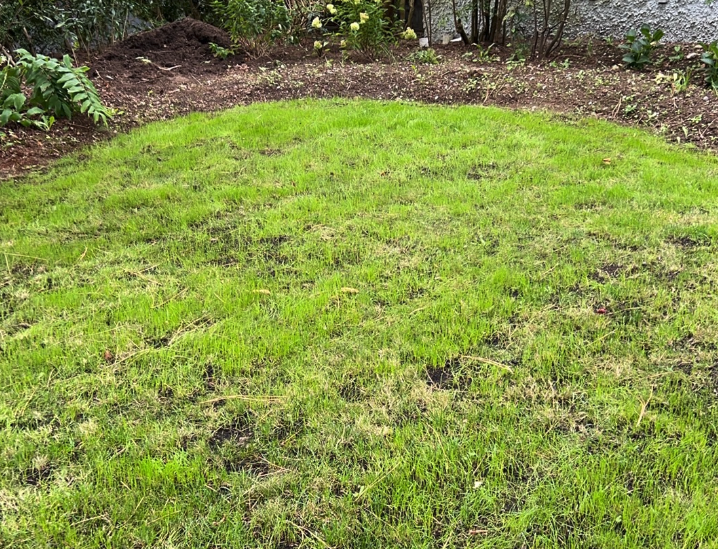
Lawn aeration might sound like complicated gardening jargon. Want a thicker, greener lawn without needing a landscaping degree? You’re in the right place! Trust us, it’s a simple yet incredibly effective way to boost your lawn’s health, and you don’t need any prior experience to get started.
What is Lawn Aeration All About?
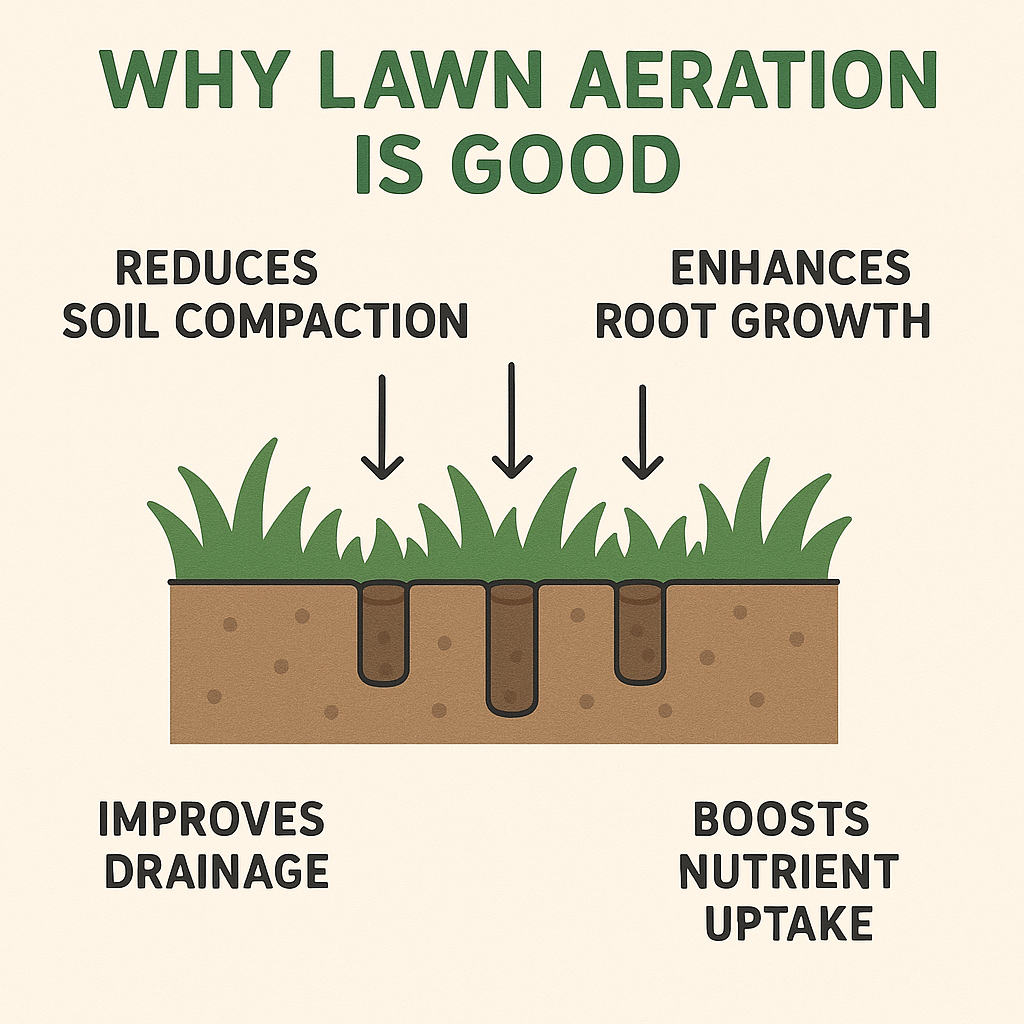
Think of your lawn’s soil as needing to breathe. Over time, it can get packed down, especially in a climate like Vancouver with frequent rain. This soil compaction makes it tough for essential things like air, water, and nutrients to reach the grass roots, which are the lifeline of your lawn.
Lawn aeration is simply the process of creating small holes in your lawn’s soil. It’s like giving your lawn tiny breathing holes. The best way for beginners to do this, especially if you’re dealing with compaction, is through core aeration (also known as hollow tine aeration). This involves using a tool to remove small plugs or “cores” of soil from your lawn.
While there’s also spike aeration, which uses solid spikes to poke holes, it can sometimes make compaction worse by just pushing the soil down. For really improving your lawn’s health, core aeration is the way to go.
Why Your Vancouver Lawn Will Thank You for Aeration:
Vancouver’s beautiful but often wet weather can contribute to soil compaction over time. Aeration offers a fantastic range of benefits that are perfect for local lawns:
- Better Airflow: Just like us, grass roots need oxygen to thrive. Aeration allows air to get down into the soil much more easily.
- Improved Water Absorption: When the soil is compacted, rainwater and irrigation tend to run off, leading to dry patches. Aeration creates pathways for water to soak down to the roots where it’s needed most.
- Enhanced Nutrient Uptake: Fertilizer and other beneficial nutrients can’t do their job if they can’t reach the roots. Aeration opens up the soil so these nutrients can get where they need to go.
- Reduced Thatch: Thatch is that spongy layer of dead grass and other organic matter that can build up on the soil surface, blocking air and water. Core aeration helps to break down this layer naturally.
- Stronger, Deeper Roots: When your grass has easy access to air, water, and nutrients, it can grow stronger and develop a deeper root system. This makes your lawn more resilient to stress like drought and disease.
Choosing Your Beginner-Friendly Aeration Tool:
For beginners, manual core aerators are an excellent and cost-effective choice for most home lawns. These tools usually have two or more hollow tubes (tines) that you push into the ground with your foot to pull out those small soil cores.
- Affordable Options: You can find manual core aerators that won’t break the bank. They might require a bit of effort, but they are perfect for getting started and for smaller lawns. Many online reviews can help you find well-regarded budget-friendly options.
- More Robust Tools: If you plan on aerating regularly or have a larger lawn, you might consider investing in a more heavy-duty manual aerator. These often have features like replaceable tines, which can extend the life of the tool.
When Should You Aerate in Vancouver?
For the cool-season grasses that thrive in Vancouver, fall is generally the best time to aerate. This gives your lawn plenty of time to recover and fill in the aeration holes before it faces the stresses of the following summer. While you can aerate in the spring, fall is often less stressful for your grass. If you’re planning to overseed (plant new grass seed), doing it right after fall aeration is ideal as the seeds can settle into the holes for better soil contact. Just remember, if you do seed, keep the soil consistently moist until the new grass starts to grow.
Your Simple Guide to Manual Lawn Aeration:
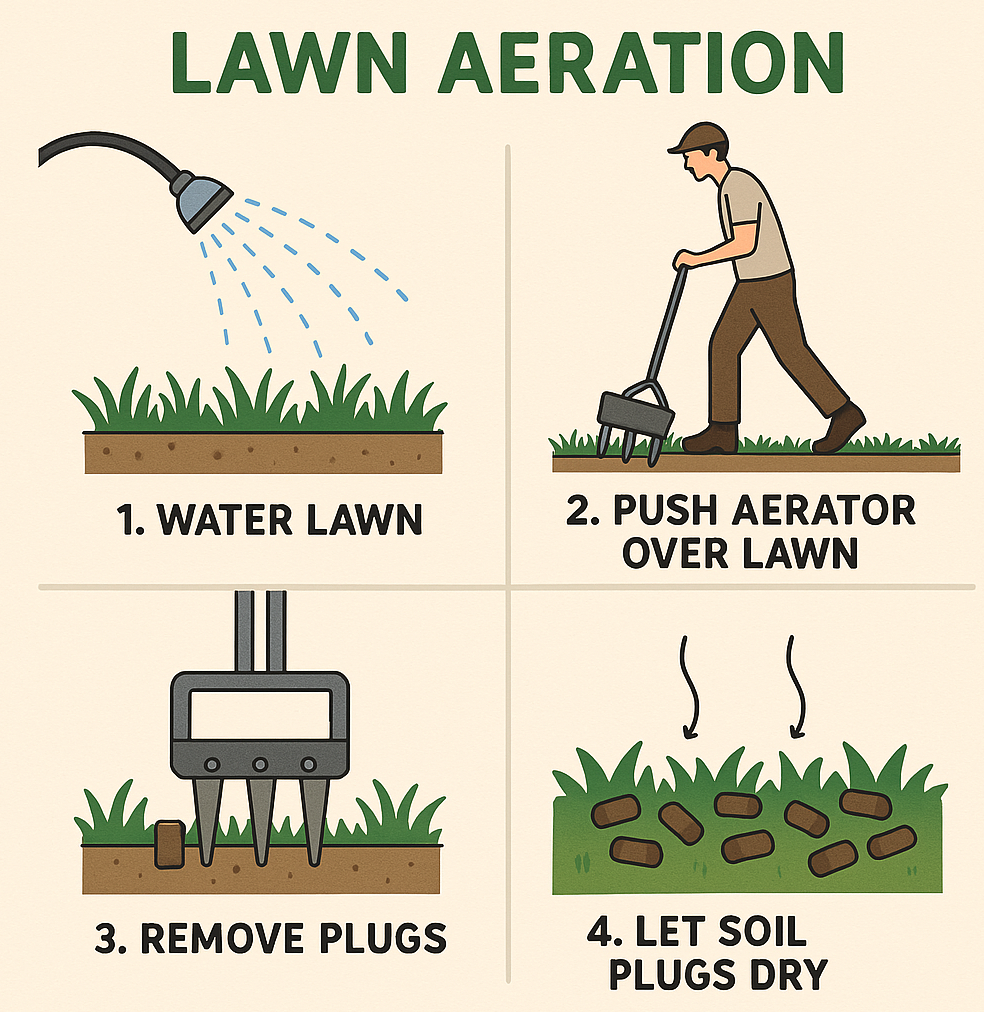
- Prep Your Lawn: Make sure your lawn has been watered recently or after a good rain. Slightly moist soil makes aeration much easier.
- Get Aerating: Position your manual core aerator over a spot on your lawn. Use your foot to apply firm, even pressure to push the tines down into the soil.
- Lift and Repeat: Pull the aerator up. You should see small plugs of soil being ejected from the tines. Move to the next spot, overlapping your previous holes slightly or spacing them a few inches apart. For manual aerators with only a couple of tines, you’ll likely need to go back and forth across your lawn to get good coverage. Aim for holes that are roughly 2 to 3 inches apart.
- Clean Your Tool: Once you’re finished aerating, take a few minutes to clean any soil out of the hollow tines. A screwdriver or a blast from your garden hose works well for this. This will prevent clogs and keep your aerator working effectively.
What Happens After Aeration?
After you’ve aerated, you’ll notice those small plugs of soil sitting on your lawn. Don’t worry, this is a good thing! It’s generally recommended to leave these cores on the surface. Over time, they will break down naturally with rain and your regular mowing, returning valuable nutrients back into the soil. Avoid raking them up unless you have a specific reason to, like wanting to ensure better seed-to-soil contact if you’ve overseeded. One thing to keep in mind is if you use a reel mower, these soil cores might contain small stones that could potentially damage the mower blades, so you might consider picking them up in that case.
Beyond just helping with air and water, core aeration also helps to break up and thin out the layer of subsurface thatch, which is the built-up dead organic material below the visible surface. This allows everything your lawn needs to thrive to penetrate even deeper.
Aerating your lawn doesn’t have to be a chore reserved for professionals. With a simple manual core aerator and this guide, you can easily take this important step towards a healthier and more beautiful Vancouver lawn. If not, you can always contact a professional to do it. So get out there and give your lawn the aeration it needs – you’ll be amazed at the difference!