Want to give your landscaping edging a sharp, defined look without breaking the bank?
You’re in the right place! Landscape edging is a fantastic way to enhance your curb appeal, separate your lawn from your garden beds, and even help manage weeds. Ou r garden’s looks has been elevated by proper edging techinique. The best part? Achieving a professional-looking edge doesn’t have to cost a fortune. Let’s dive into some cheap and effective ways to tackle landscaping edging.
Why Bother with Edging?
Before we get into the “cheap” part, let’s quickly recap why edging is a valuable addition to your landscape:
- Creates Definition: Edging clearly defines the boundaries between your lawn, garden beds, walkways, and other landscape features. This instantly provides a cleaner and more organized appearance.
- Prevents Grass Encroachment: A well-defined edge acts as a barrier, helping to keep grass from growing into your carefully cultivated flower beds or mulched areas.
- Enhances Curb Appeal: Crisp, clean edges contribute significantly to the overall aesthetic of your property, boosting its curb appeal.
- Aids in Mulch Retention: Edging can help keep mulch within your garden beds, preventing it from spilling onto the lawn.
Cheap and Easy DIY Edging Techniques
Now for the part you’ve been waiting for – how to achieve great landscaping edges without spending a lot of money. The good news is, one of the most effective and cheapest methods involves a little elbow grease and some basic tools you might already own.
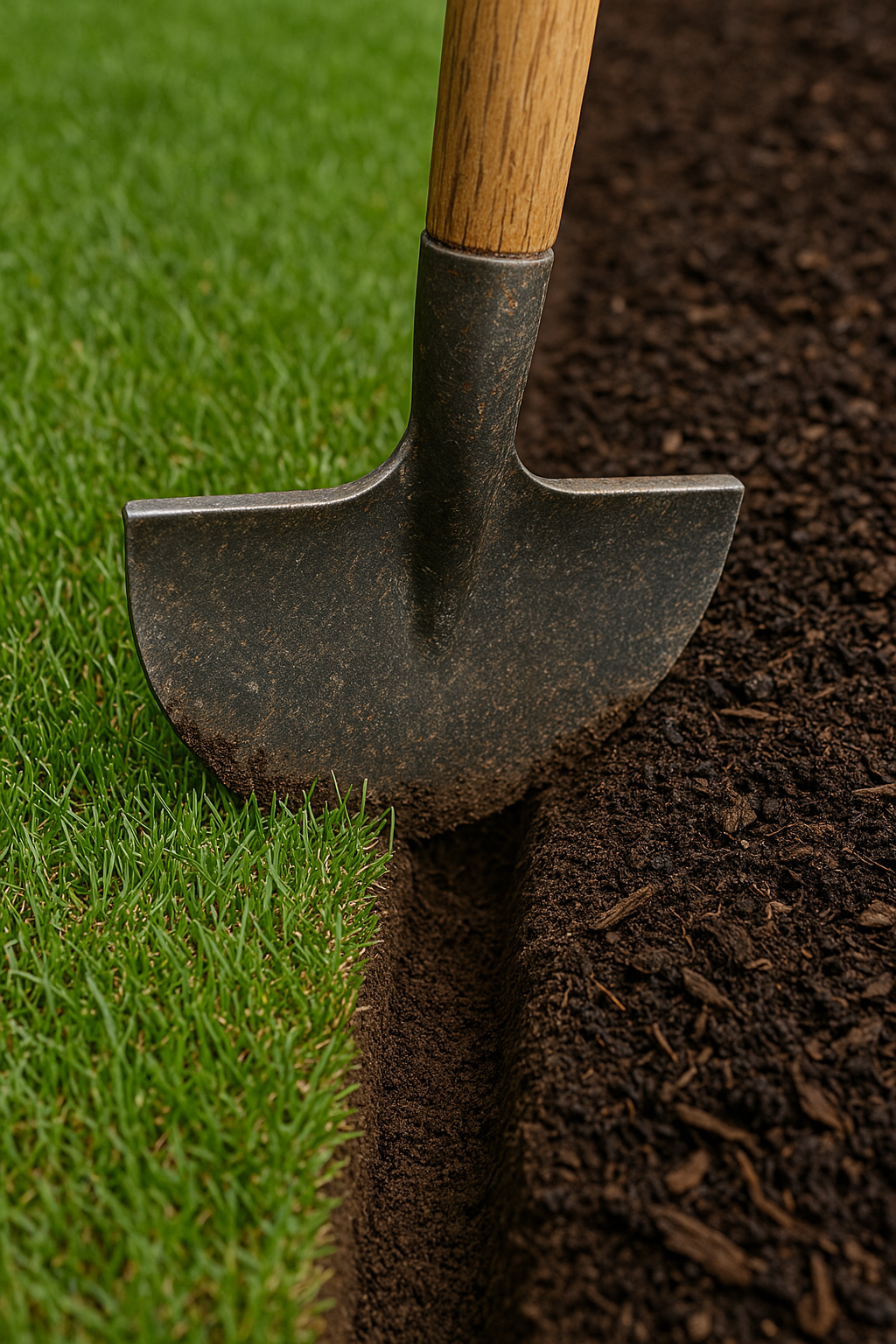
- Creating a Natural Cut Edge: This is perhaps the most budget-friendly approach. It involves creating a clean, vertical cut between your lawn and garden bed using an edging tool or a half-moon edger.
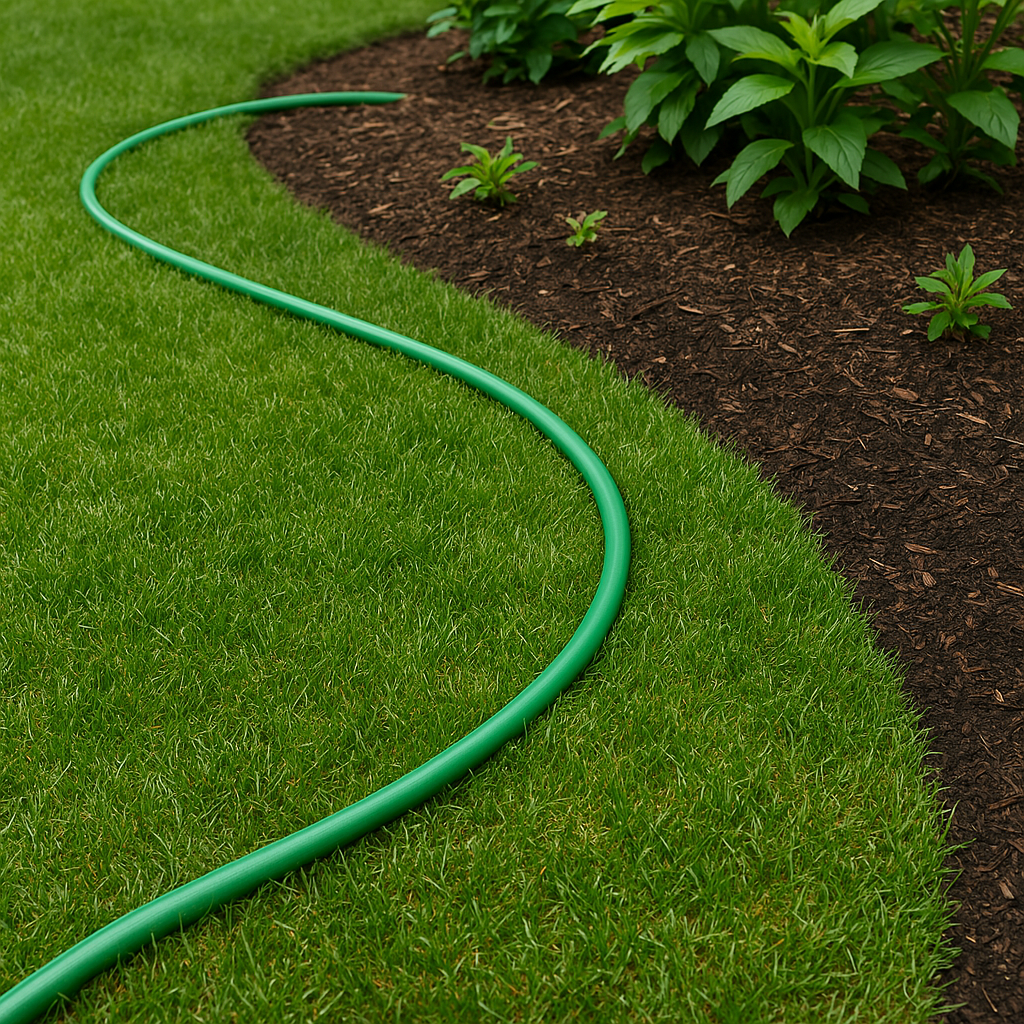
- Planning Your Lines: Before you start cutting, visualize or mark the desired shape of your garden bed. For organic curves, a garden hose works wonderfully as a flexible guide. Simply lay it on the ground in the shape you want. For straight lines, use landscape stakes and string to ensure evenness. Run the string tightly between the stakes to create a straight guideline. You can even use spray paint to mark these lines on the ground for better visibility.
- Cutting the Edge: Once your lines are marked, use your edging tool to make a vertical cut about four inches deep into the soil along your marked line. For a more effective barrier against grass, taper back your garden bed on about a 45-degree angle. This creates a small trench that helps contain mulch and discourages grass roots from spreading into the bed.
- Cleaning Up: After cutting the edge, rake back any mulch that may have spilled over. You can then clean up the edge of the lawn by trimming any overhanging grass. Some even find it helpful to flip their string trimmer upside down to neatly trim the edge, ensuring the clippings are directed away from you.
- Maintenance: The beauty of a natural cut edge is its ease of maintenance. You’ll likely need to redefine the edge a couple of times a year to keep it crisp.
Considering Other Affordable Options
While a natural cut edge is incredibly cost-effective, you might be considering other budget-friendly materials:
- Repurposed Materials: Get creative! You might have materials lying around that can serve as edging. Think about using old bricks, stones you’ve found, or even treated wood scraps (ensure they are safe for soil contact). While the sources don’t specifically detail these as “cheap” options, utilizing existing materials can certainly save money.
- Budget-Friendly Plastic Edging: The sources mention plastic edging. While it can provide a physical barrier, be aware that cheaper plastic edging might not last as long and can sometimes shift or require more maintenance over time. One source even advises getting “the good stuff the first time” rather than a generic brand that might crease or not lay flat.
Tips for Successful and Cheap Edging
- Plan Your Project: Before you start any edging project, take some time to plan your layout. This will help you determine the amount of edging you need and the best approach for your yard.
- Use the Right Tools: While you don’t need expensive equipment, having the right basic tools like an edging tool or half-moon edger, a shovel, and potentially a hose or string will make the job much easier.
- Time it Right: According to one source, spring is the ideal time for edging as the soil is softer, making digging easier. Early fall is also a good option. Avoid edging in the hard, dry soil of summer if possible.
- Consider Mulch: After creating your edge, adding a layer of mulch to your garden beds not only looks great but also helps suppress weeds.
In Conclusion
Landscaping edging doesn’t have to be an expensive endeavor. By utilizing simple techniques like creating a natural cut edge and potentially repurposing materials, you can achieve a well-defined and attractive landscape without breaking the bank. A little effort can go a long way in enhancing the beauty and organization of your Vancouver property!